
Take a Look Around
Pieces of storytelling from hither and yon. Or perhaps yon and hither.

One brief musing about storytelling per day (or, more likely, as frequently as I can muster).
April 6, 2026
WELCOME TO THIS MONTH’S edition of “Storytelling Moments,” which is not really what this is called but I’m vamping a bit.
My immersion in storytelling exposes me to all manner of little things that maybe don’t warrant their own close-up shots at the moment but are interesting and perhaps useful in passing. This occasional feature of Storylines will toss some random instances of interesting storytelling — and things about storytelling — your way.
Let’s go.
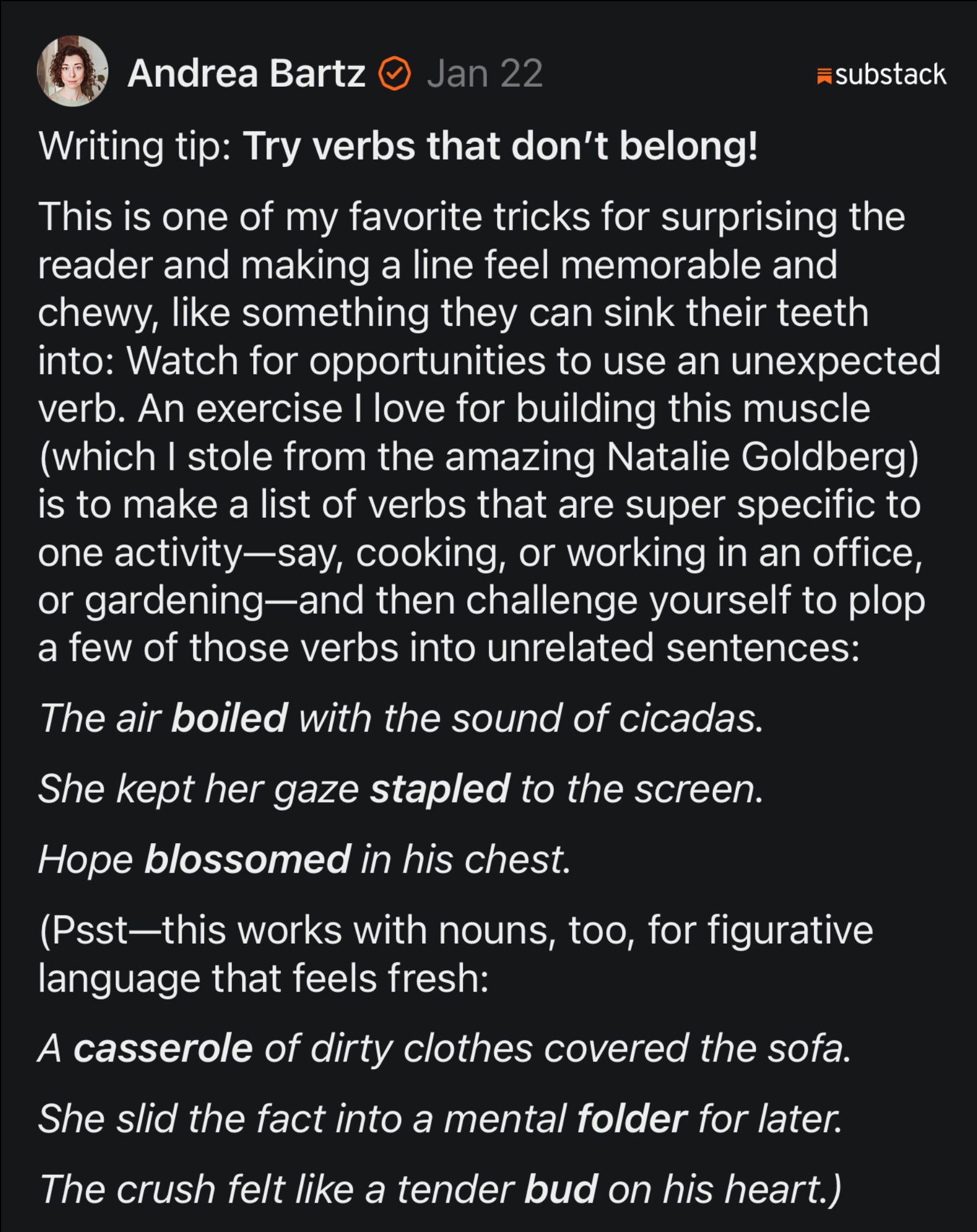
I ABSOLUTELY ADORE this storytelling tip from Andrea Bartz. As someone who falls in love with favorite words and phrases (I used to get made fun of on my college newspaper for overusing “beleaguered,” and I’m terrified to search for my name and the phrase “jumbled days”), the notion of mindfully being counterintuitive about your lexicon is a fun one.
Bonus: Unless you use entirely the wrong word, it’ll make your prose more interesting.
DO YOU PREFER writing thoughts, notes and even stories on paper? Have you ever given any thought as to why?
There are studies that indicate that choosing to write on paper in your own handwriting has certain mental benefits — and comes from certain mental proclivities. This interesting article and aggregation of studies from Sarah Mitchell of Silicon Canals digs into what handwriting does to your brain and why that might be important in a number of endeavors, including storytelling.
“The researchers explained that handwriting is a more cognitively demanding process than typing. It forces the brain to engage in what’s called deep encoding, where you’re not just recording information but actively processing and reorganising it as you write. When you type, the speed allows for near-verbatim transcription. You can capture everything without ever really engaging with any of it.”
It’s also an interesting look at how people choose tools, creative tools in particular — and how much novelty has to do with it all.
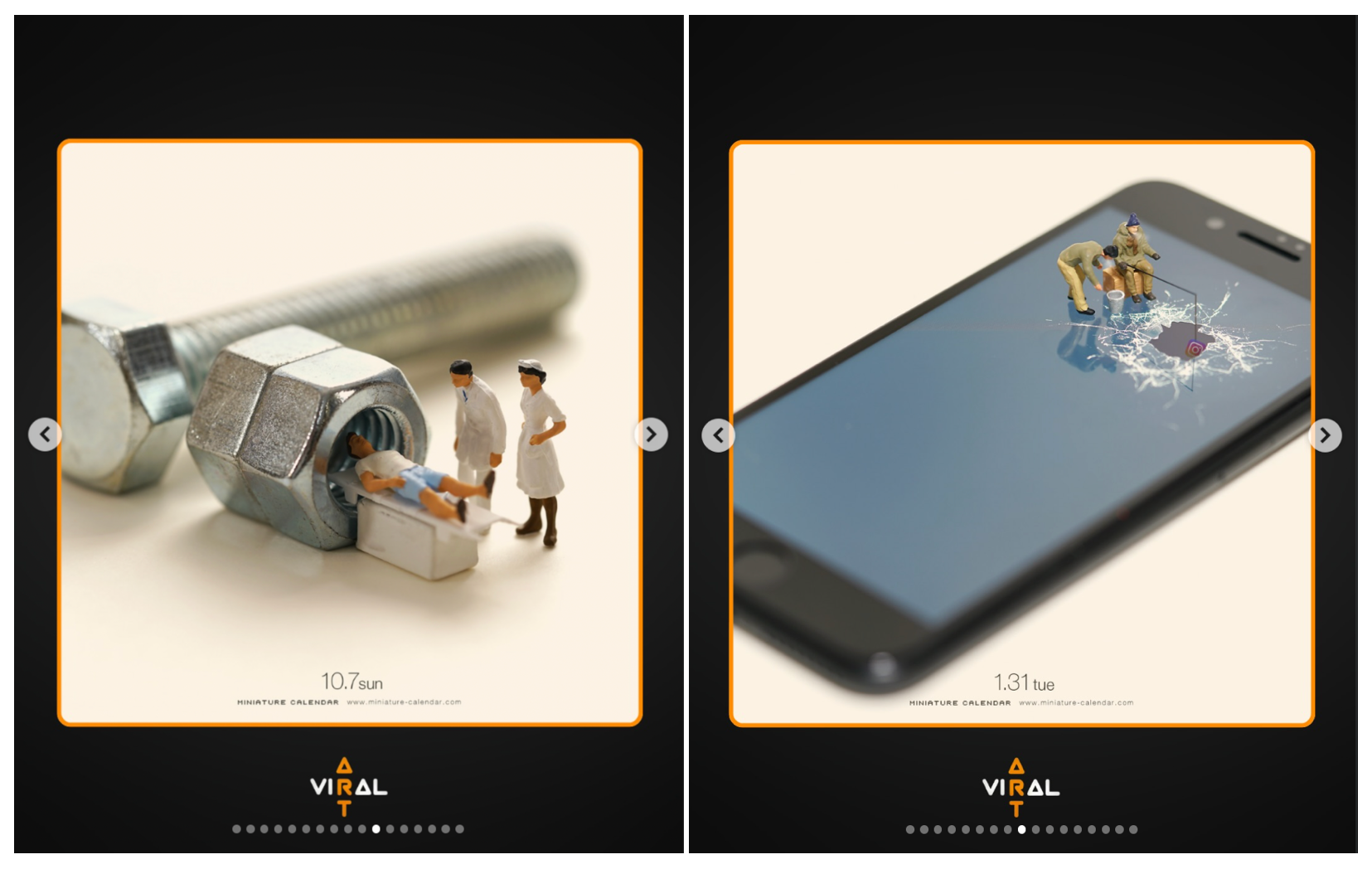
AS I WROTE about last month, I really love storytellers who come upon something and see in it something else entirely. Even with serious subjects, there tends to be a pleasing whimsy to such expressions, as if the world is elastic and the observer is the one who can find the story within its borders.
This series of images by Tatsuya Tanaka, from viral_art on Instagram, are some of the best of this kind of genre. Using workaday materials like rice, Pringles, chewing gum, nuts and bolts and a spiral notebook with the spirals removed, Tanaka reframes everyday objects and makes subtle connections between certain physical parts of our world and others.
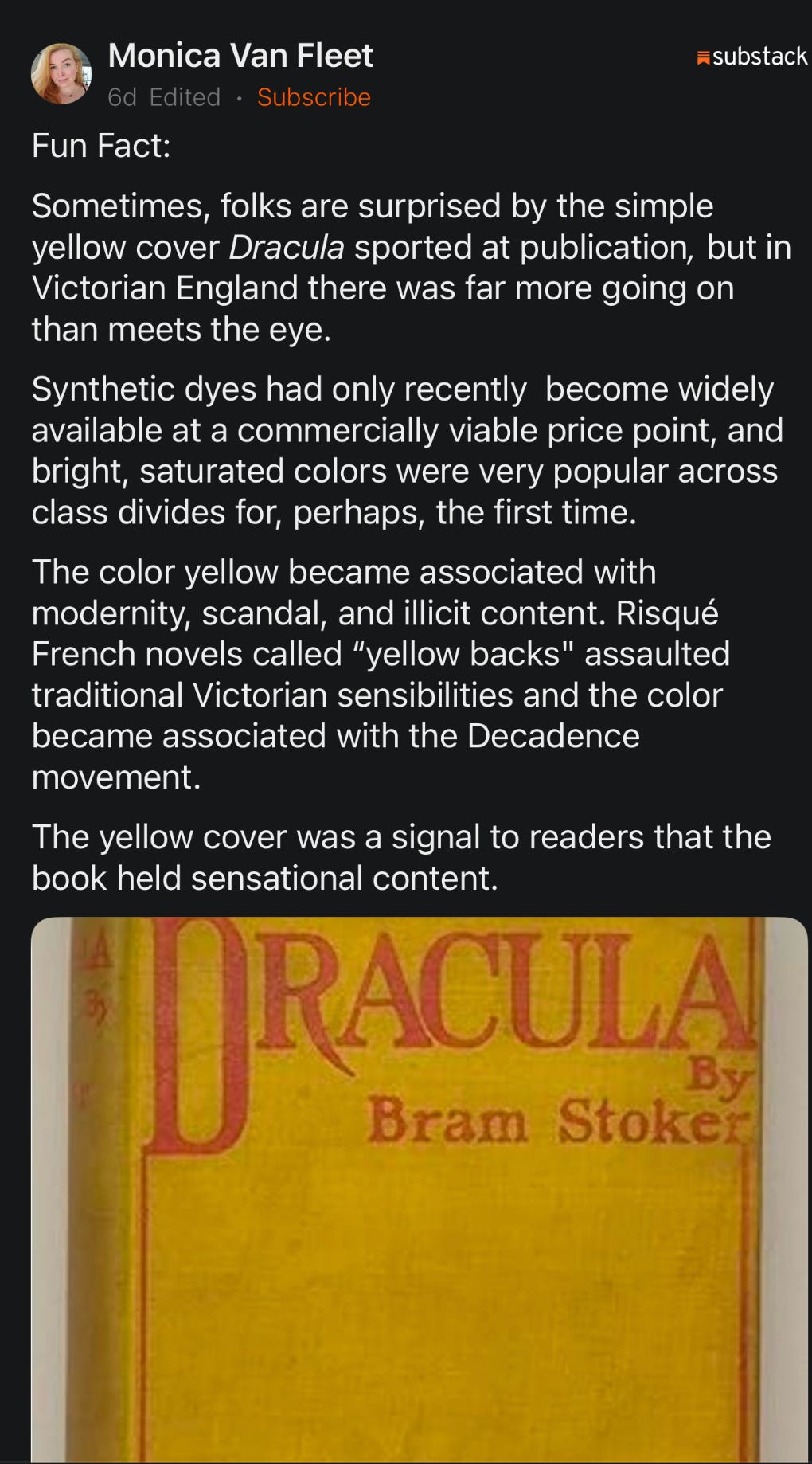
EVEN BOOK COVERS — not dust jackets, mind you, but book covers — can tell part of the story.
Late in the 19th century, during the Victorian Era, books with yellow covers bearing red text often implied salaciousness — likely linked to “yellowbacks,” books sold in lower-end establishments that were quite transgressive for their era.
Come 1897, the publishers of Bram Stoker’s “Dracula” decided to leverage that to imply salaciousness and forbidden thrill. And why not? Young women. Biting. The undead and the erotic nature thereof. It WAS transgressive.
I had no idea about this cover backstory until “Dracula” scholar Monica Van Fleet pointed it out recently. I thought it was really cool in and of itself — but even more so when you think of the book cover (again, not the dust jacket) being part of the story in some small way.
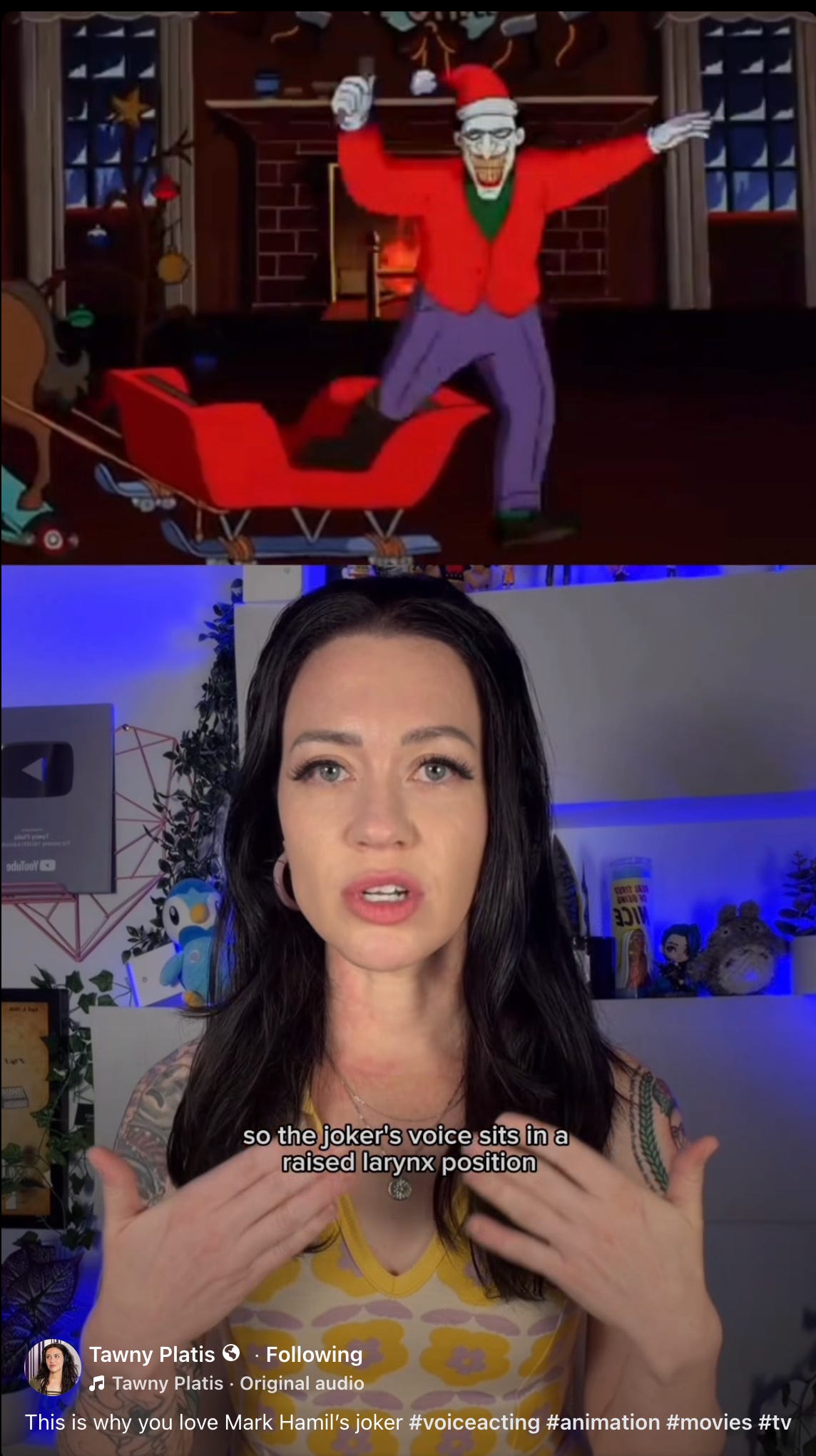
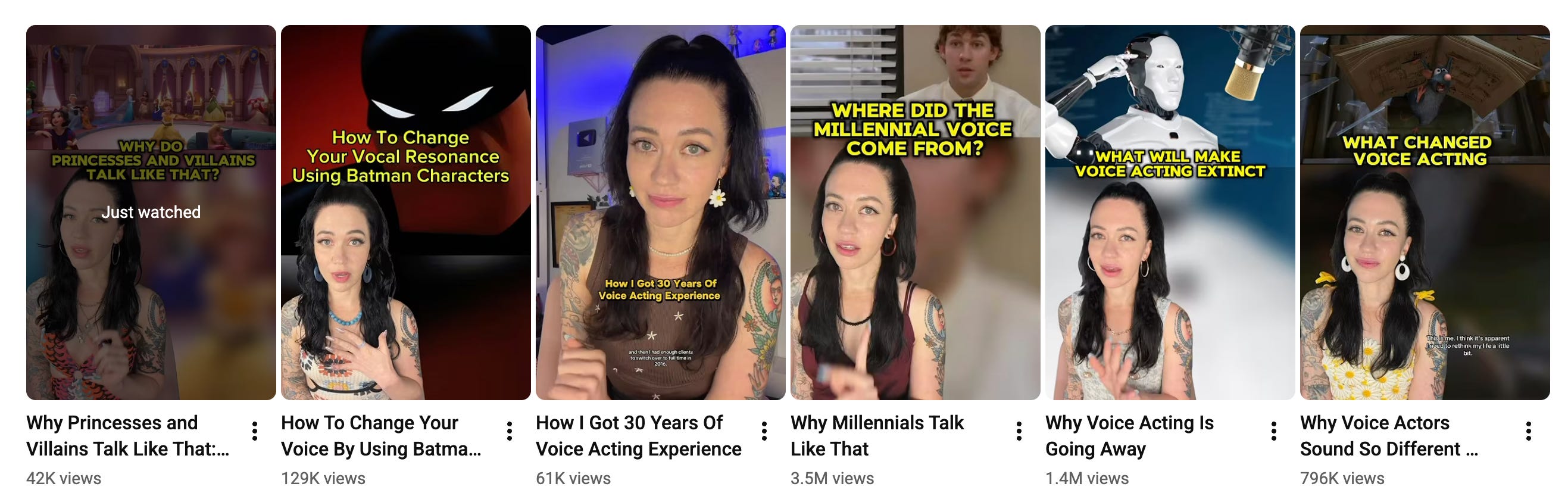
VOICES ARE OBVIOUSLY a key part of storytelling in audio and video stories. Voice actor Tawny Platis has a great series of videos going about why that is and how it all works. One of her latest videos unpacks why we love Mark Hamill’s voice acting as the Joker in animated Batman cartoons.
Her conclusion: His voice work is all over the register in a very calibrated way, fitting the character perfectly.
“A raised larynx creates a tone that your brain reads as filled with effort. It kind of ends up reading like a person is struggling to hold a version of themselves in place, which the Joker is,” Platis says in the video. She adds: “Hamill is actually invoking a nervous-system response with his performance.”
Anytime you can show people the seams of storytelling and what makes it work, you add a little gem to the marketplace of knowledge. Check out Platis’ videos.
And now, The Temptations.
If you’re interested in reading about how everyday life and unusual things shape us, check out my other Substack, Unsorted but Significant:
