
String Theory
Gathering threads and socking them away until something cool emerges.

One brief musing about storytelling per day (or, more likely, as frequently as I can muster).
Jan. 20, 2026
IF YOU’VE EVER tackled jigsaw puzzles, you know that feeling when just enough pieces are in place that the picture starts to emerge. You know what it is, or at least part of it, and it helps you keep going until the image is complete.
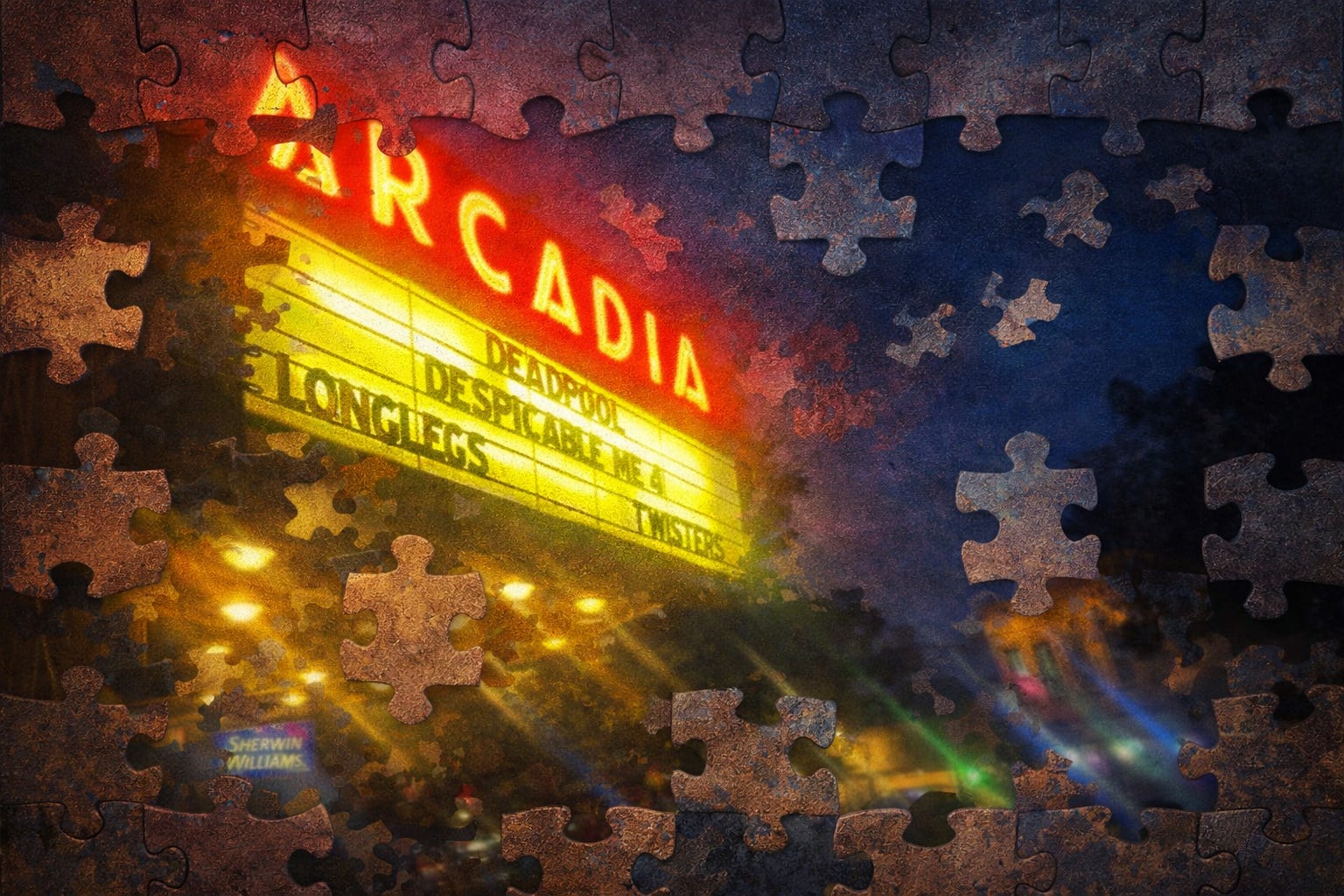
In storytelling, that’s what I have dubbed “string theory” — how to accumulate and manage bits and pieces of things until they reach the critical mass necessary for a good story. It’s another one of those many things that is both obvious and worth talking about, mulling over and digging deeper on, if you’ll permit me a brief burst of prepositional malfeasance.
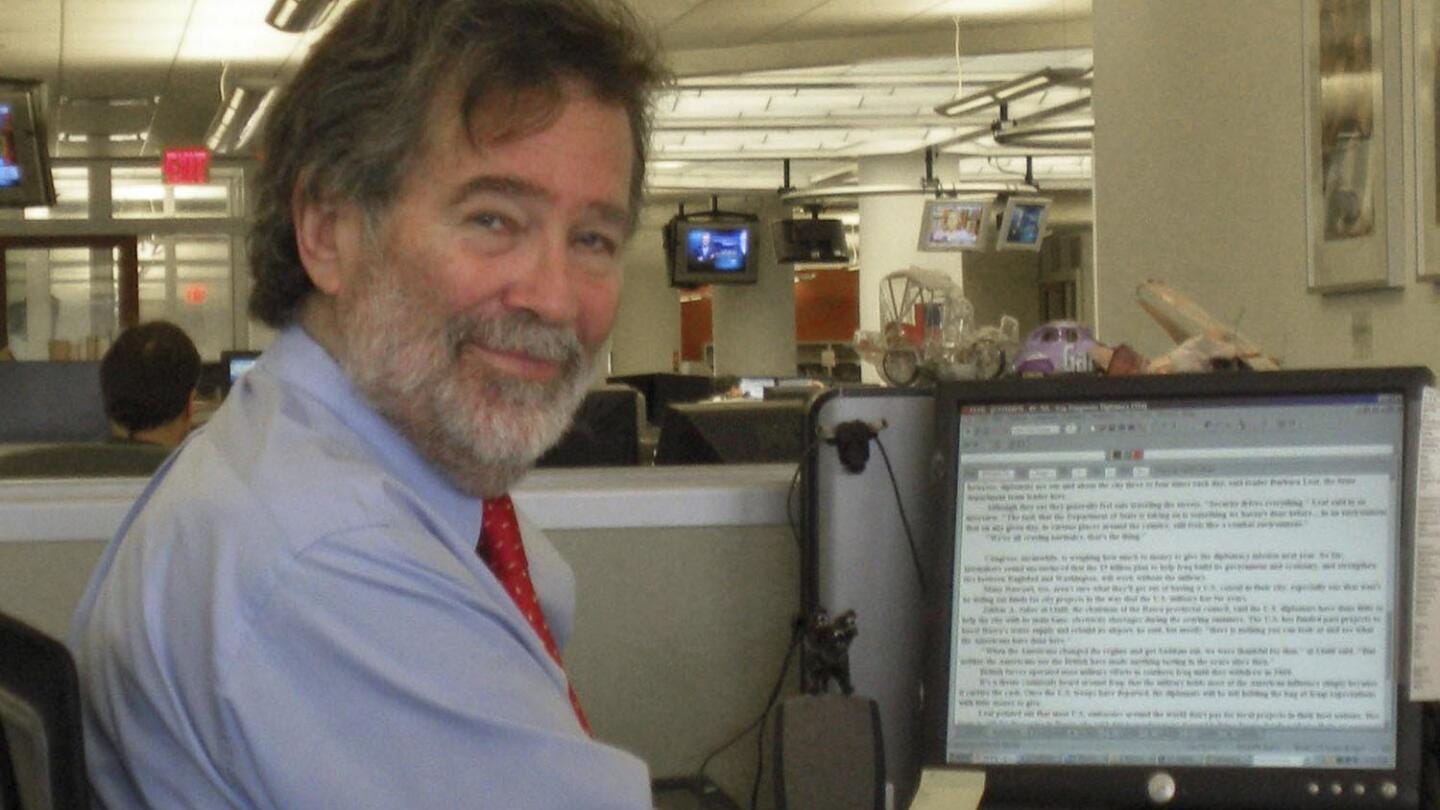
I first learned about “collecting string” back in 1994 when I visited a curious chap from Bulawayo, Rhodesia, who was the news editor in our Hong Kong bureau at the time. I’d admired his byline since he covered the Scud missile attacks from Tel Aviv four years earlier, and when I was vacationing in Asia I decided — for purposes of ambition — to go in and meet him. He was quite a character — booming Boer voice, definitive sense that he knew what was what. He would become one of my closest friends — my “work dad” in his later years. His name was Marcus Eliason.
As we were sitting and talking about a lede he was working on about Taiwan’s then-president trying to attend his college reunion at Cornell, Marcus mentioned “string” he’d been gathering for another story. As was his practice (and is mine), he carried the metaphor too far: “I have almost enough string to make a knot.”
We talked in this space a couple weeks ago about capturing tiny pieces of the world and using them in stories. This is adjacent to that but somewhat different. In short, it goes something like this.
Something interests you. You jot it down or screenshot it or save the URL.
Something else interests you. You do the same thing.
You realize, hey — those two things are related.
You start collecting “string.”
You’re collecting string and don’t have a story yet.
You’re collecting more string and don’t have a story yet.
You’re still collecting string and still don’t have a story yet.
Critical mass! You have a story! Go report it.
(Important note here, to forestall the question: Three examples is NOT a trend story.)
I have found the methodology of string-gathering to be particularly true for food stories. Years ago, I kept noticing that Pennsylvania (my home state) had a LOT of snacks coming out of its central region. I kept cataloguing snacks (as I consumed them, of course), and came up with a thesis about “The Pennsylvania Snack Belt” that appeared in Gourmet magazine shortly before its demise.
And a couple years ago, I noticed that one of my favorite foods, pickles, were appearing absolutely everywhere. Like to the point of absurdity. I started collecting and collating pickle appearances until I had enough for a story about the exposure of — and overexposure of — the pickle.
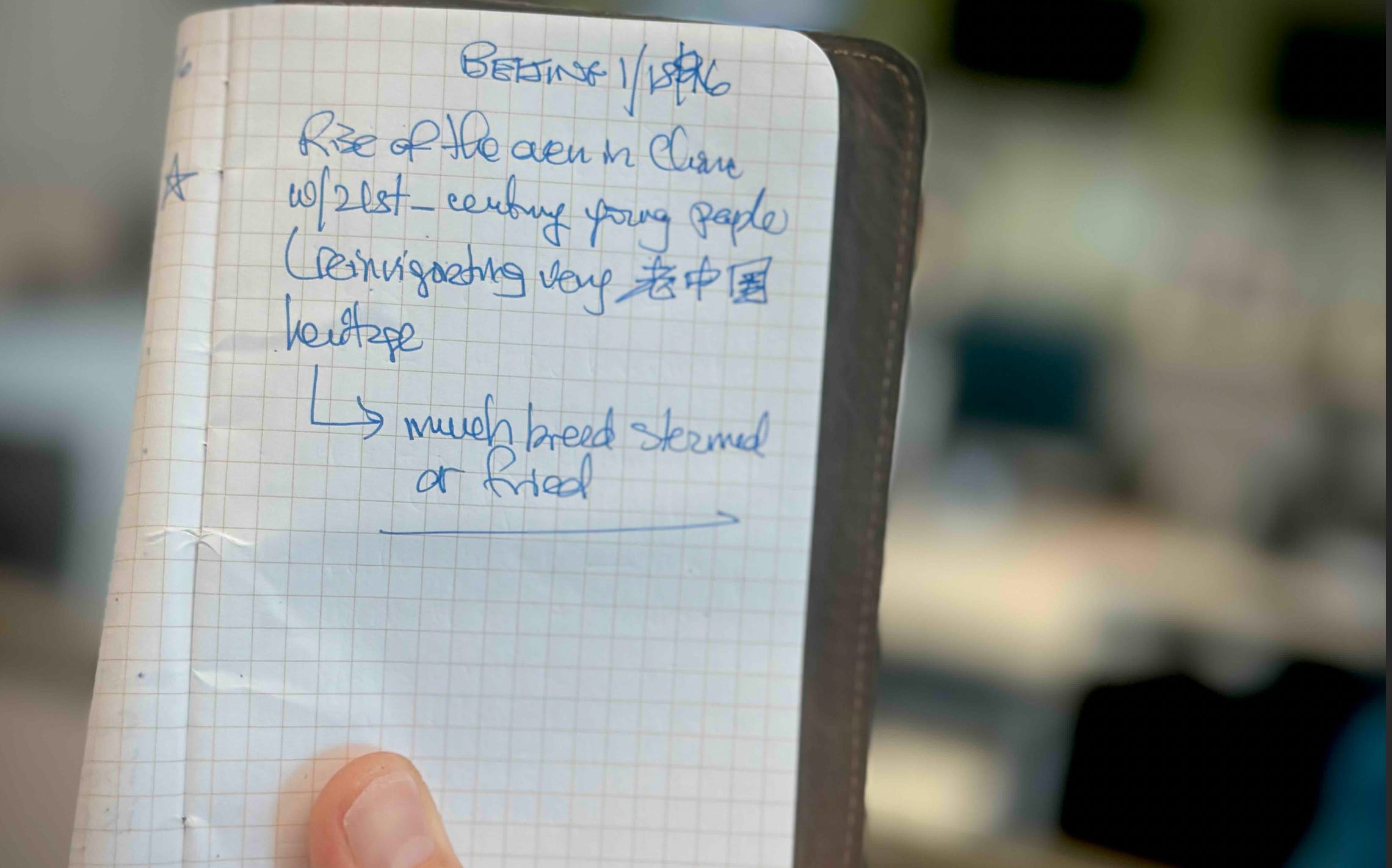
Perhaps my favorite example of string-gathering success happened when I was working in 2004 in China, which is surely one of the global capitals of the string-gathering approach to stories.
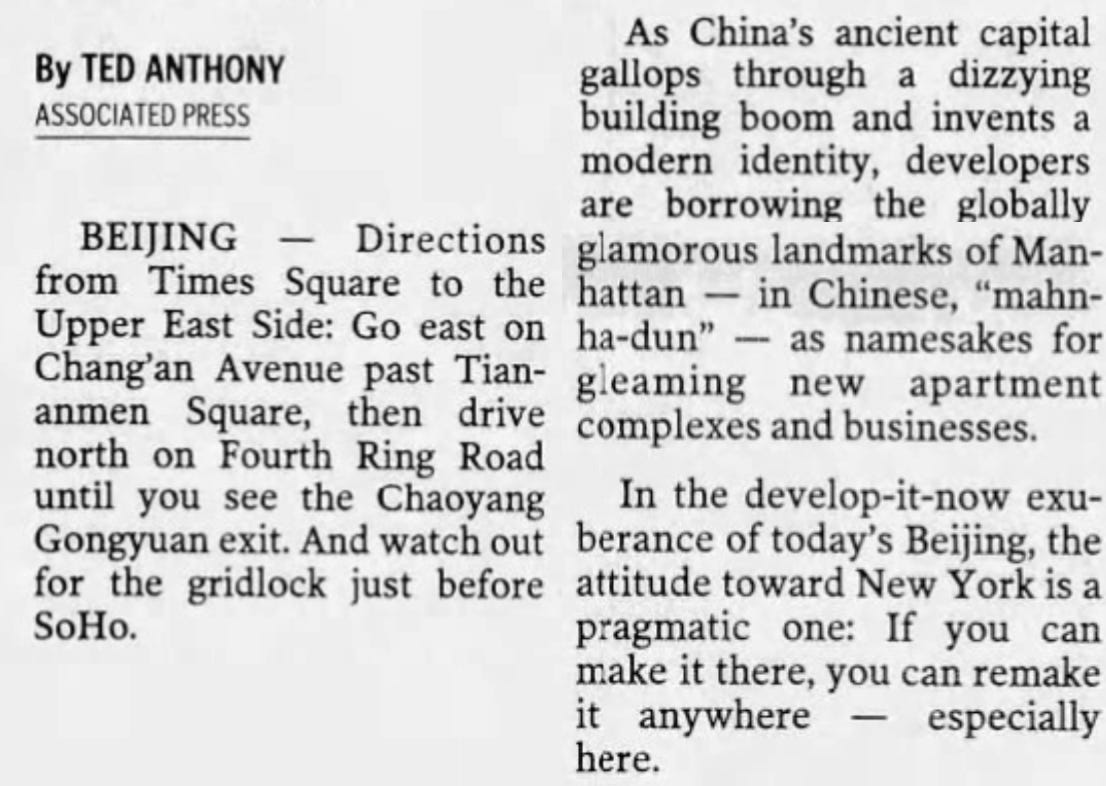
As I wandered around Beijing, where I lived, I started noticing something. There were two apartment complexes where friends lived run by the same company, both called Soho. I noticed an ad for another complex called “Central Park.” Then, over the next months, “Upper East Side” and “Times Square” emerged. There were more.
Once I had a critical mass (six, if memory serves), I knew: This was not only a cool feature but a solid glimpse into China in 2004 — a nation where deploying a feeling of foreign cosmopolitanism was good business.
String can take many forms and lurk around for a long time. Sometimes you save it not because it will be a story but because it will be PART of a story. I had a book about the history of beach culture that I got on a free-book pile in 2000, and it took until 2023 for it to come off the shelf and prove useful for a story.
Another rule of thumb: If you find yourself saving a piece of something, it’s probably for a reason. Don’t throw it away. Don’t dismiss it or lose it into the ether. Find a system. Odds are if you’ve noticed it, it’ll be useful one day.
Today’s notetaking apps allow you to cross-reference your bits of string and find connections. “Mind map” software takes that even further. And who knows what connections AI will help us make?
They’re all in service of connecting the dots — of taking the fragments of our jumbled world (a theme we’ll be returning to over and over here) and making sense of them in fresh ways. So have fun with your string. You’ll make your own knots before you know it.
And now, Frank Sinatra.
To Ponder
Do you have somewhere where, as a storyteller, you keep little bits and pieces of things you don’t know what to do with? Have a look through them. Why did you save them? Do they have anything in common?
What’s your storage system? Does it fit your goals as a storyteller?
Talk to your colleagues or people in your field. How do they handle string? Do they think about it? What might you learn from their approaches?
Related:

Bonus
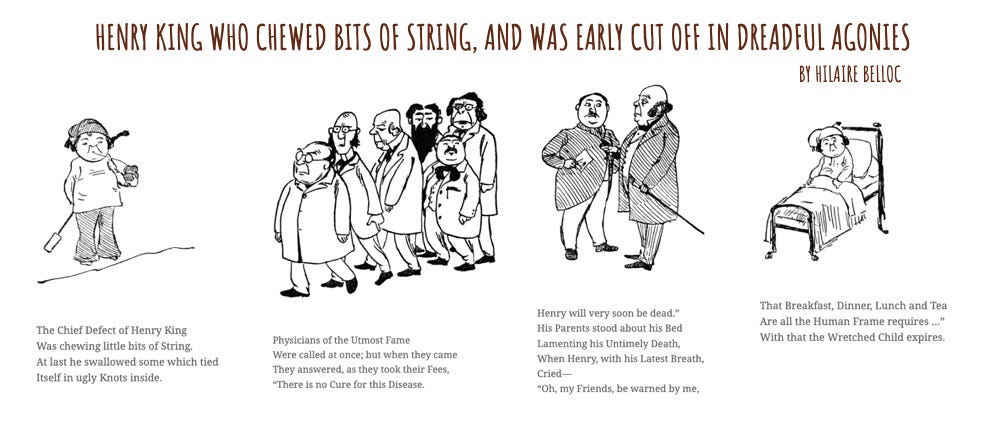
Speaking of string, my father used to read me this rather horrifying poem-slash-cautionary tale by Hilaire Belloc (1870-1953) when I was little. God knows why.
Deftly done on the mahn-ha-dun enterpriser, Ted -- clever lede and wait-for-it third graf reward. Both work superbly.
You wove strings into silver threads.