
Spice Girls
A low-level sibling assault and a quick discussion on the best uses of detail.

One brief musing about storytelling per day (or, more likely, as frequently as I can muster).
March 26, 2026
SOMETIME IN THE early 1950s, my eldest sister and her little sister (both my big sisters, both then very small) apparently got into a minor squabble about some long-forgotten dispute. “I was being a toddler,” the younger one, the provocateur, “recalls.”
Somehow a spice can was on hand. It may or may not have been poultry seasoning, sources who were on the scene say. There is, however, general consensus nearly 75 years later that the brand on the can was McCormick — and that the object became, or was about to become, a weapon.
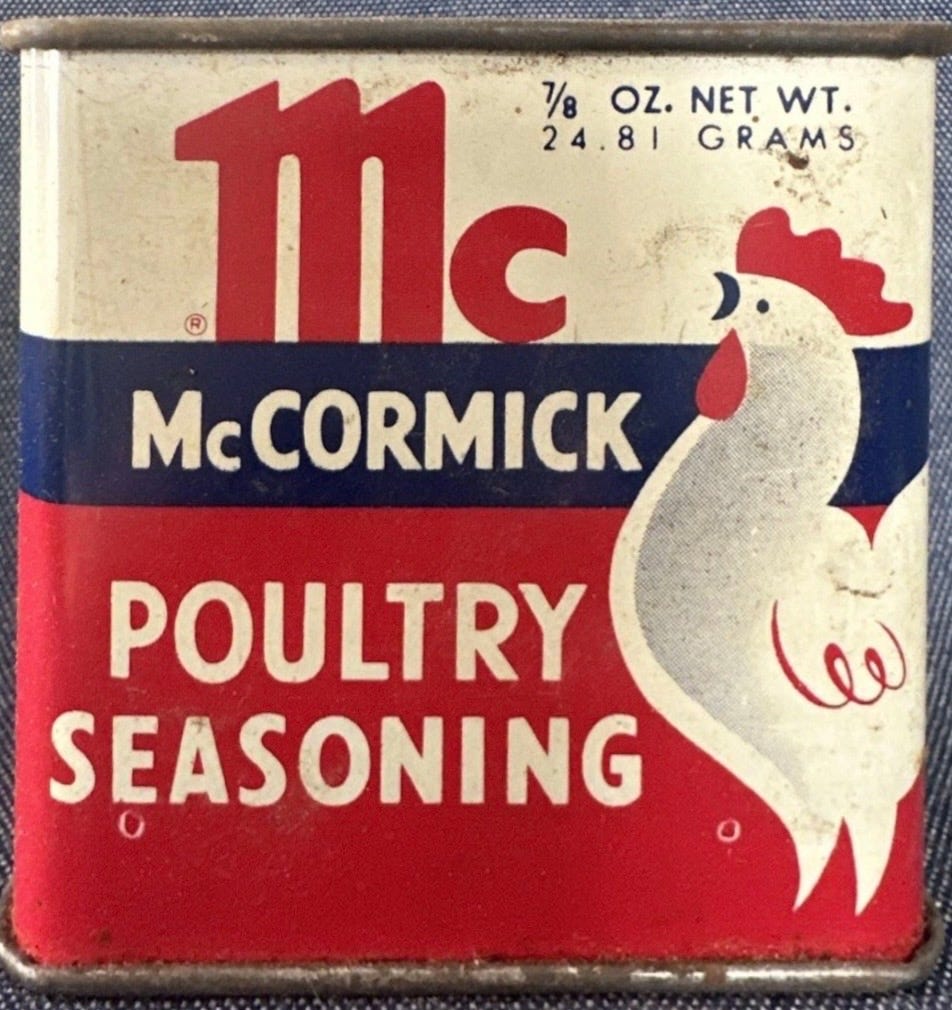
Nearly two decades later, when I came along and was little, my mother would tell me this story as a lesson in love — even though I had no siblings of similar age that could be fodder for such an incursion. I remember her recounting the anecdote and imparting her lesson: “You don’t have to love your sister, but you can’t hit her.”
It stuck with me: Not only was my mother admonishing her kids about the incident, but she was doing something else, too: freeing them to NOT love each other, probably making it more likely that they would.
It was only much later, at the attackee’s wedding rehearsal dinner in 1995, that I learned there was more detail to be excavated. Turns out the actual sentence, recounted identically by all four of those present at the time, was this: “You don’t have to love your sister, but you can’t hit her with a spice can.”
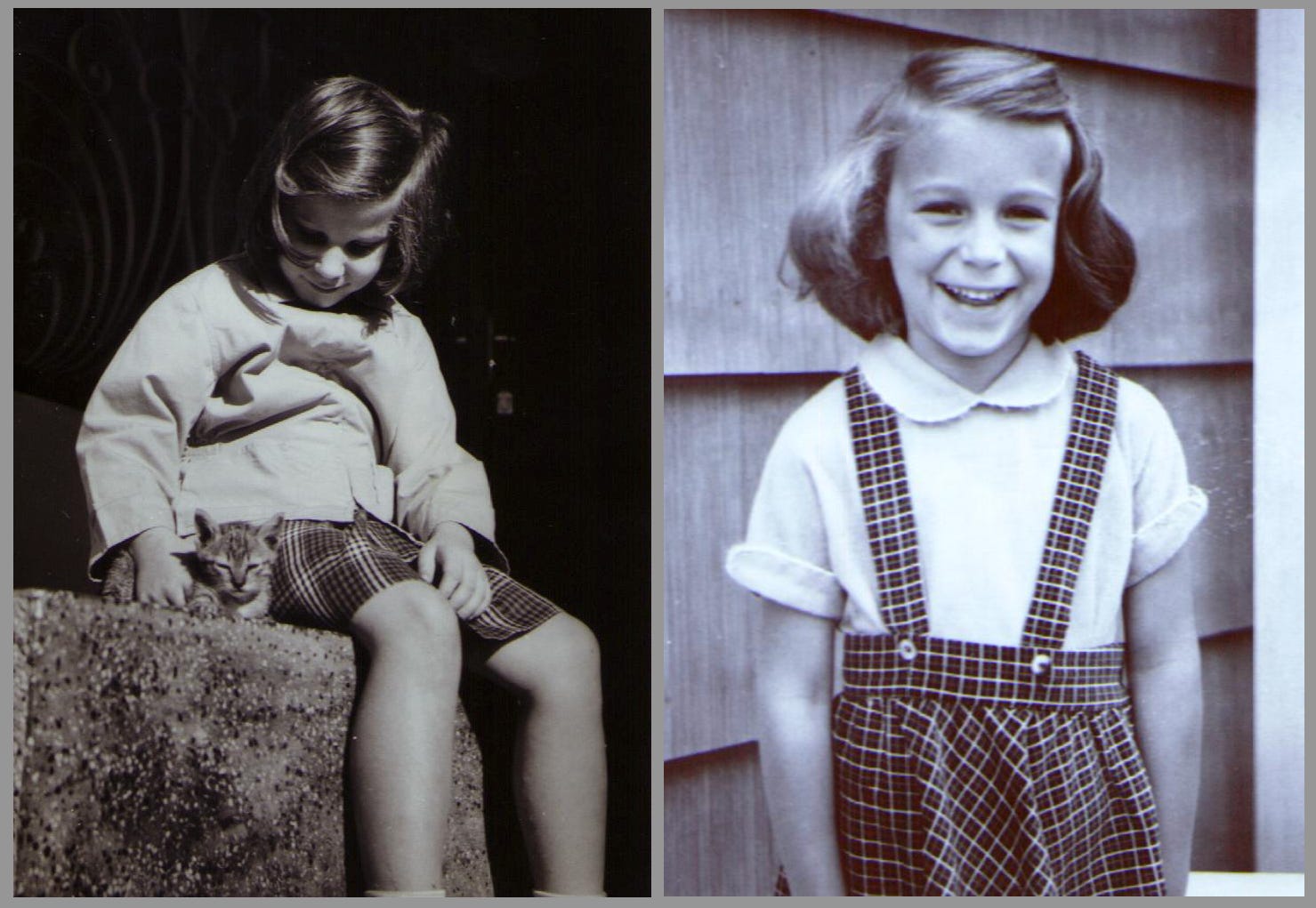
This came up last night when I was on the phone with the perpetrator. We were discussing how our late parents parented, and it hit me (see what I did there) that the brief incident could present a lesson in using detail in writing.
Let’s start general and go from there.
“You don’t have to love your sister, but you can’t hit her.”
A classic. Echoes with traces of the Ten Commandments, Aesop’s Fables and traditional Chinese four- and eight-character aphorisms. Gets the point across in a way that can be remembered by, well, a little girl who just threw something at her even younger sibling.
Moving on:
“You don’t have to love your sister, but you can’t hit her with a spice can.”
Adds a specific detail — a sliver of absurdity that turns this from a proverb into a reference that’s grounded a bit more in the real world and implies that the episode might have really happened.
Also, as the alleged spice-chucker pointed out last night, potentially ambiguous, though she never took it as such. “‘You may not hit her with a spice can’ leaves open the option of hitting her with something else,” she told me. This feels on brand with her long history of incisive thinking.
I did not reach out to the victim to comment on this possibility, probably violating journalistic principles.
Now, let’s extrapolate more detail and see what happens. For example: What if there was contemporaneous verification that it was, in fact, a certain variety of spice?
“You don’t have to love your sister, but you can’t hit her with a can of poultry seasoning.”
Makes it even more absurd. Right on the line of too much detail, but potentially useful if you want to lean into comedy as part of the story.
With that, though, I think we have arrived at the frontier of appropriate detail. If you take it any further, you start larding the sentence with specifics that only confuse matters.
“You don’t have to love your sister, but you can’t hit her with a can of McCormick poultry seasoning.”
This is likely too much for your audience — unless your audience happens to be an internal newsletter for McCormick, in which case it would be relevant. Why? Because that detail could service the story.
Finally, we proceed to the final level of seasoning detail: How much of the spice did the weapon in question contain?
“You don’t have to love your sister, but you can’t hit her with a ⅞-ounce can of McCormick poultry seasoning.”
I can honestly think of no use case for this much detail in this manner. There is only one possible exception — that we are dealing with a family containing someone whose profession is making or working directly with spice cans.
In such circumstances, your ⅞-ounce can of putative poultry seasoning would be relevantly different from, say, a 1½-ounce can, which would be bigger (and could possibly inflict more damage on its target).
The point here, of course, is that — despite what often happens — it’s best to choose your amount of detail based on the story you wish to tell.
From a timeless aphorism to an arcane description of a certain-sized spice can, don’t just insert details for details’ sake. If you do, you slow readers down, make them wonder why the detail is included — and take them out of the story you’re trying to tell.

So thanks, Mama (1924-2018), for inspiring this foray into family folklore long after you left this life and stopped using seasonings entirely.
And now, the Spice Girls.
To Ponder:
Do you tend to use too much detail or not enough? Is that because of your reporting, or your writing?
What is your process for choosing details? Drop a comment below if you have something specific.
If you had to throw a can of spices at your sibling, which seasoning would you choose?
So one should add enough spice to the story but not use too much flavouring.