
Poker Face
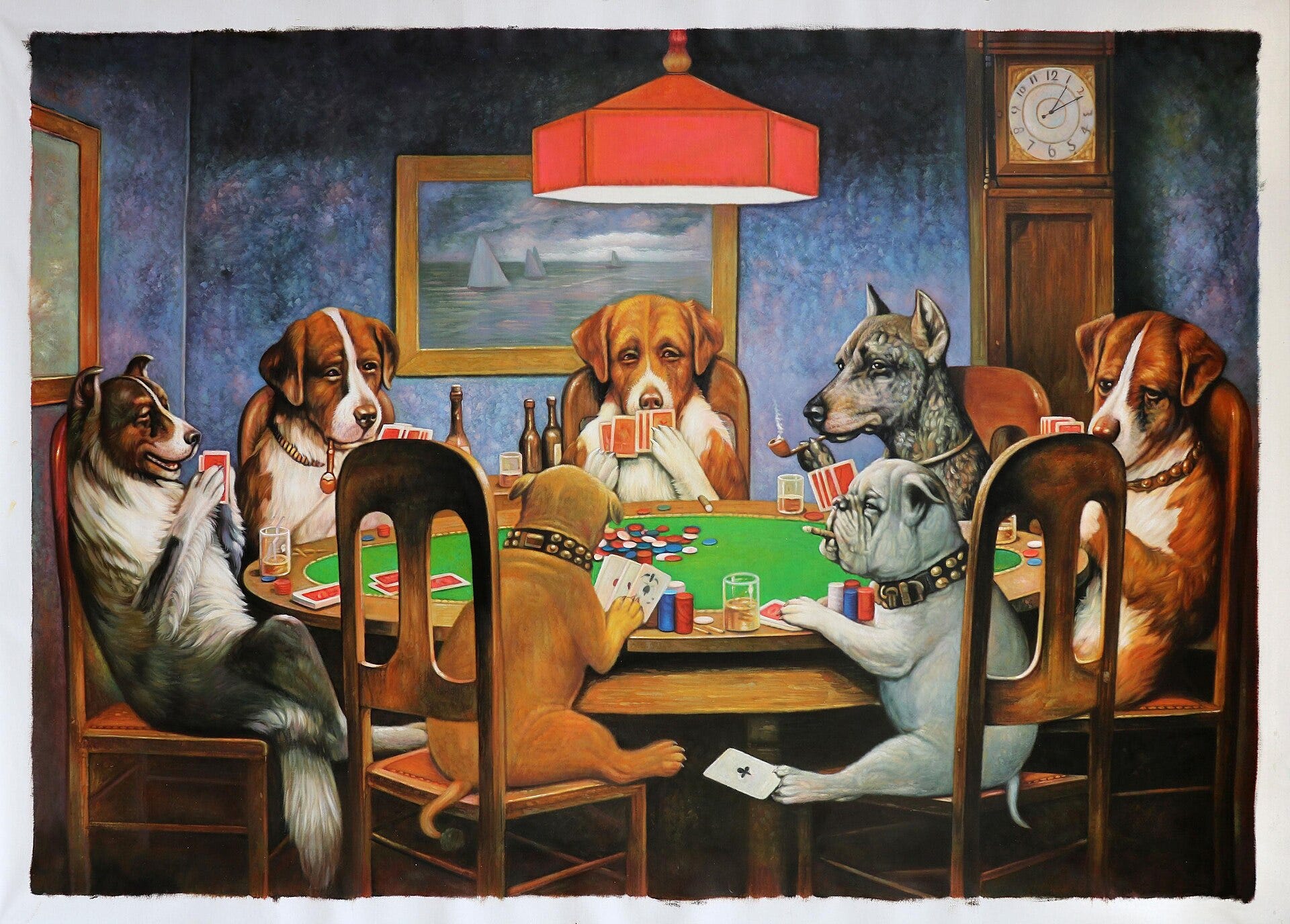
Show your cards: Being honest in storytelling engenders trust.

One brief musing about storytelling per day (or, more likely, as frequently as I can muster).
Feb. 21, 2026
MY SISTER, a professor for many decades in the humanities, studies storytelling from a different vantage point — or, if you wish, point of view. From her many conversations with students, she gave me some advice years ago that has played out in a big way in today’s era of questionable information and accusations of bias:
“Show your cards,” I remember her telling me. “People need to see not only the story, but who made it and how it was made.”
Many people have a low opinion of journalists these days. Polling by the Pew Research Center shows that trust in news organizations has declined over the last decade. Politicians left and right complain about the media and the way it does its job. AI makes fakery easier than ever.
That’s why demystifying storytelling — and journalism in particular — is pivotal so that audiences don’t see it as some mysterious alchemy that takes place in the 21st-century equivalent of a smoke-filled room.
What can we do, as storytellers who want to ensure credibility? The first answers are the most obvious and the most crucial: Be credible. Be fair. Get it right.
But that’s not enough. We have to shine a light not only on our subjects but on our processes and our values. I used to say that we want people to realize that news is reported and told by real people, not the “NewsTron 3000.” I was being facetious. Thing is, now there actually ARE NewsTron 3000s in the world.
Ask yourself some questions, then: How did you get that story? What’s it like to be there? And a basic one: Who are you? These are notions that generations of journalists have expressed suspicion about, and reasonably so. “We’re not the story,” they’ve said. And they’re right. We can’t make the world about us. What we can do is augment the stories that aren’t about us with material that reveals our processes, our practices and, along the way, our humanity.
I’ve enjoyed, for example, what my talented colleague Jacquelyn Martin (among others) has been doing at the Milan-Cortina Winter Olympics these past couple weeks. Between her photo assignments — or, more accurately, as part of them, she’s shown how she does her job. It’s pretty interesting.
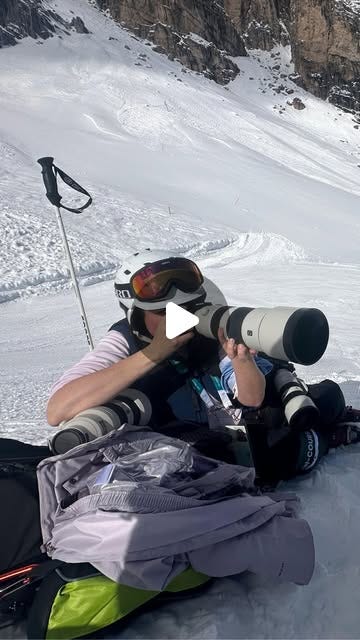
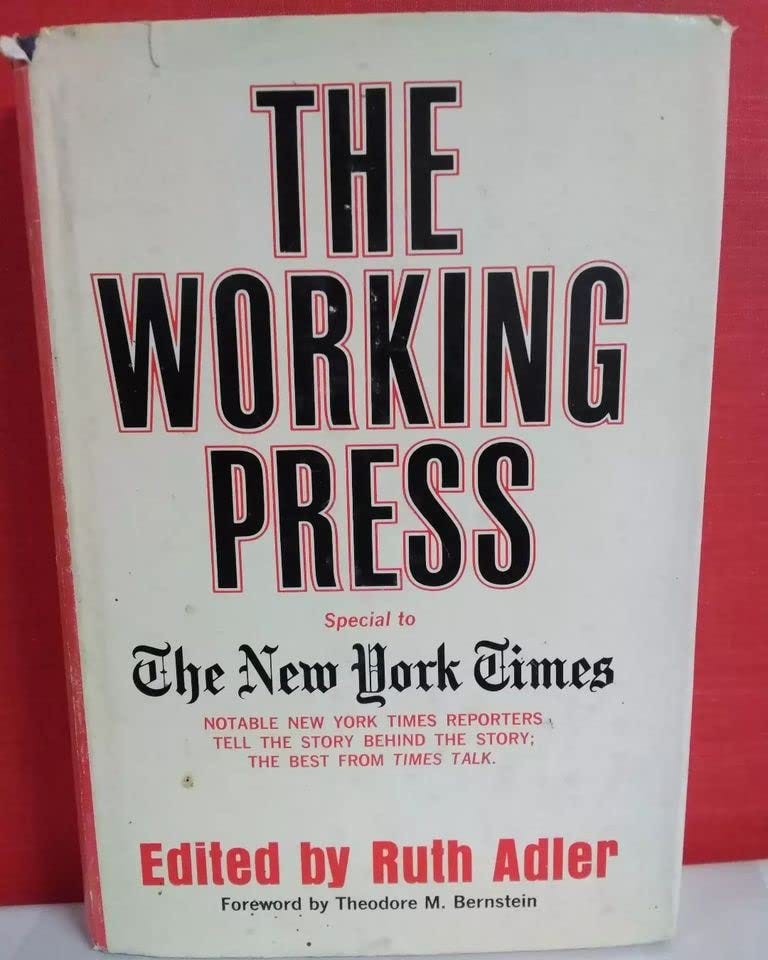
Such approaches can show the people behind the story and grant them a kind of access — a bit like DVD extras or behind-the-scenes documentaries have long done. The New York Times was doing this internally decades ago with something called “Times Talk” and had a writer, Ruth Adler, doing it regularly. Some of those were collected in a book of how-they-got-the-story stories in the 1960s; it’s engrossing reading if you can get hold of a copy.
So this is not new. But it is more urgent in an era of declining faith in journalism and other institutions. And we’re in a better position than ever to do it.
So don’t forget to pause and think sometimes: How might you tell the story of your coverage in a way that can connect with audiences — and show them the process in ways that can give them more faith in the outcome?
And now, Lady Gaga.
To Ponder
Think of a story you’ve done recently. What ways can you think of to tell the story behind the story in a way that’s engaging and adds to the coverage?
How to prevent self-indulgence? Given this Substack, I might not be the best one to ask, but think about the balancing act that’s needed for your audience and the stories you tell.
What’s your favorite “behind-the-scenes” story? How might it apply to what we’re talking about here?