
Learning to Fly
Storytelling Snapshot: Halle Stockton and her daughter watch birds on video. Around them, a story grows.


One brief musing about storytelling per day (or, more likely, as frequently as I can muster).
March 30, 2026
I hand over the Storylines conn today to Halle Stockton, editor-in-chief and co-executive director of the nonprofit media outlet Pittsburgh’s Public Source. She’s a born storyteller and a fellow graduate of Penn State University and its student newspaper, The Daily Collegian.
I lead the Public Source board and work closely with Halle. She mentioned recently that she’d become obsessed with her new video bird feeder. I immediately took her interest on board with a rapid-fire: “Guest-post-on-Substack obsessed?” (or something like that.) I love this piece because it uses surveillance footage of birds as the engine of an elegant, very non-technological mini-memoir and writing chat.
PEOPLE ALWAYS ASK about hobbies as an icebreaker. I hate that question. I don’t really have any. It’s work and being a mom — unless you count trying to nurture the habit of exercising a few times a week, which I’m stretching to put in the hobby lane rather than the torture one.
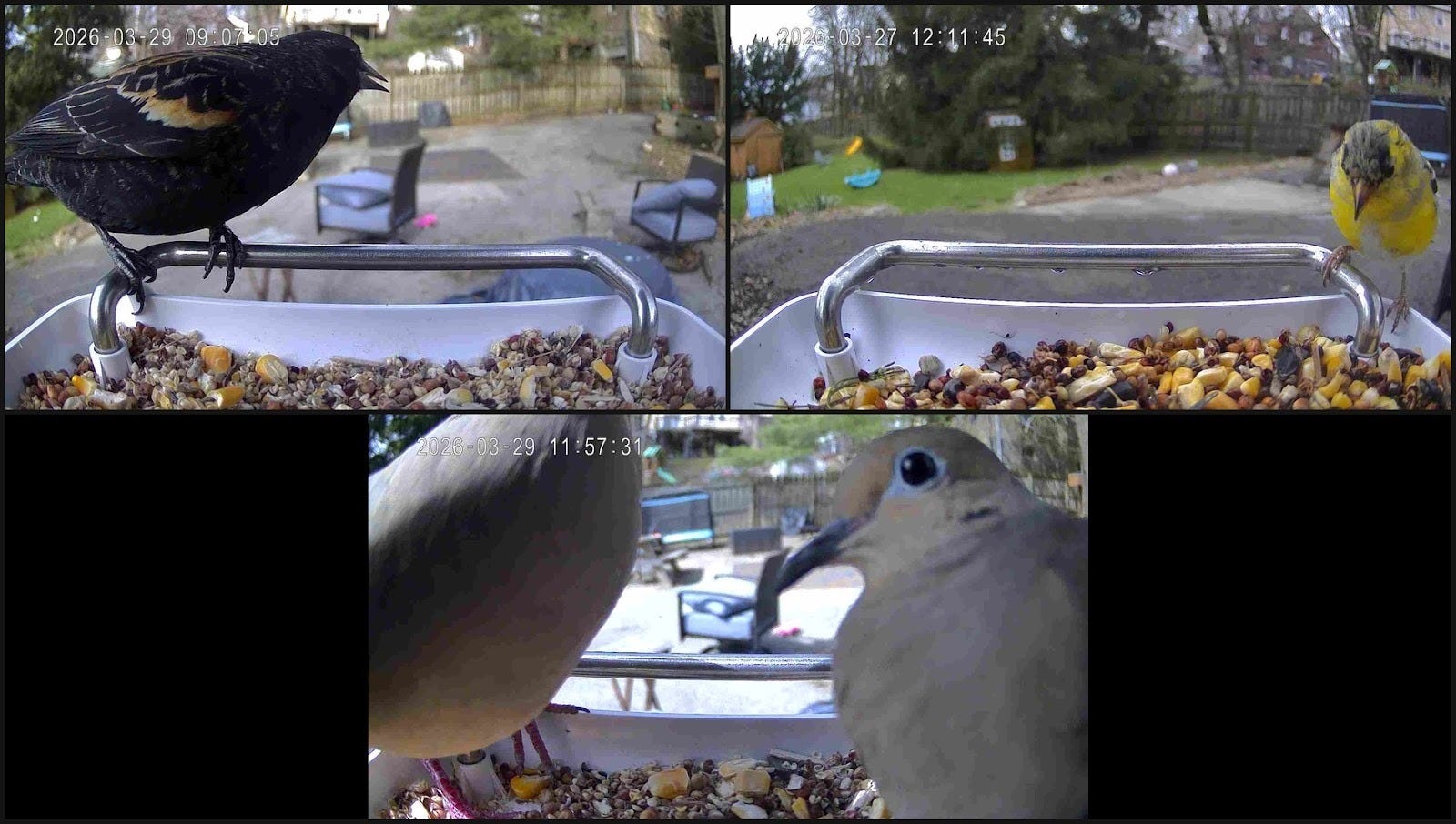
This past Christmas, my mom gave our family a video bird feeder, one of those cameras that mounts to your fence and records every visitor. It even has an imperfect tool to identify the bird.
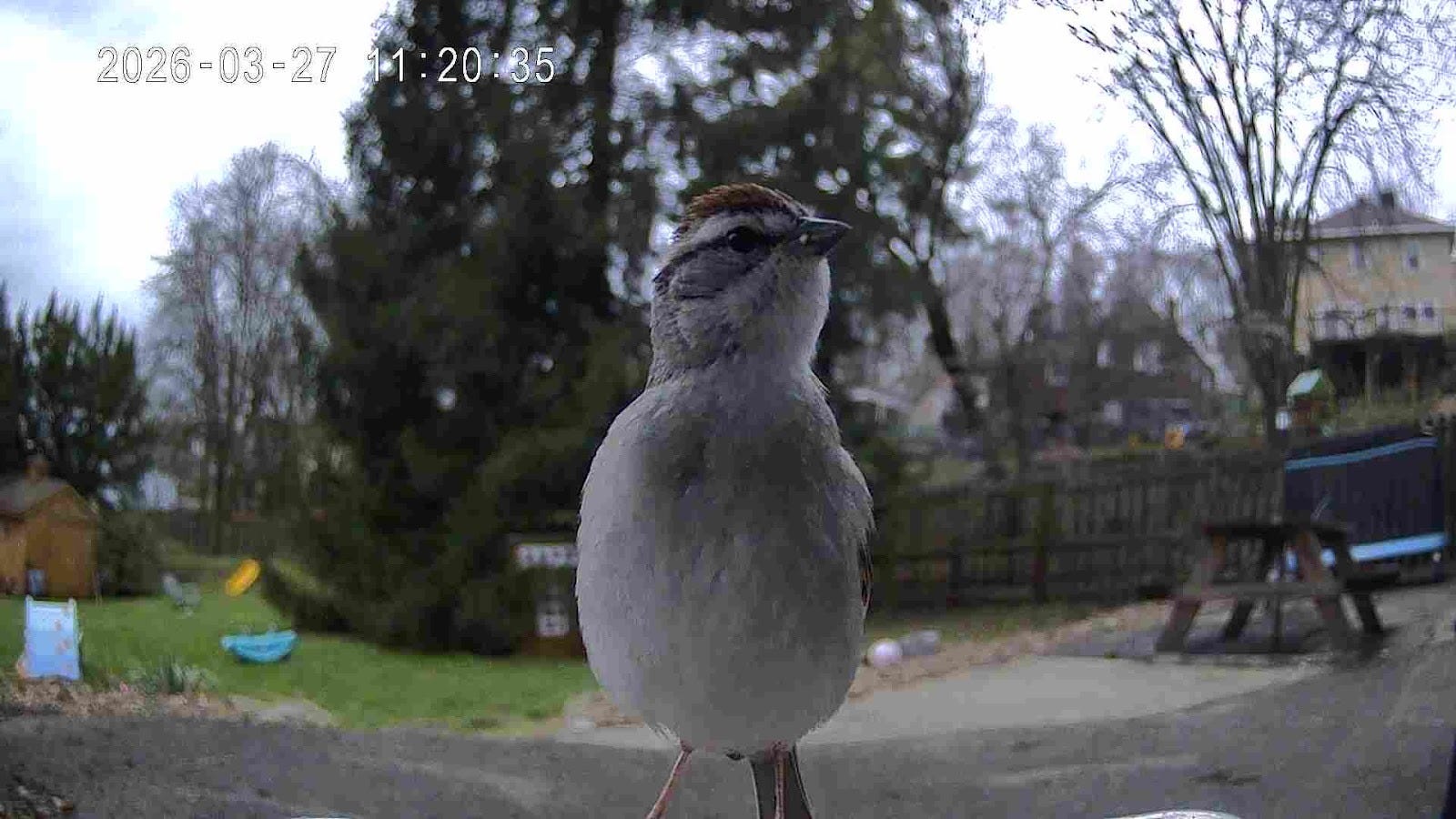
We finally installed it Friday. It’s been two days. I can’t stop watching.
Neither can my 5-year-old daughter.
We’ve been spending time together — on the couch winding down at night, over lunch at a pizza parlor — narrating the comings and goings on the app (and even running to the window to see IRL when we can).
We named the cardinals. We did it the right way: On the count of three, we each shouted a name so neither of us could influence the other. She chose Lulu. I chose Jim. We decided that as our frequent fliers, they are very hungry and will soon become parents.
We don’t actually know that, of course. But it’s possible.
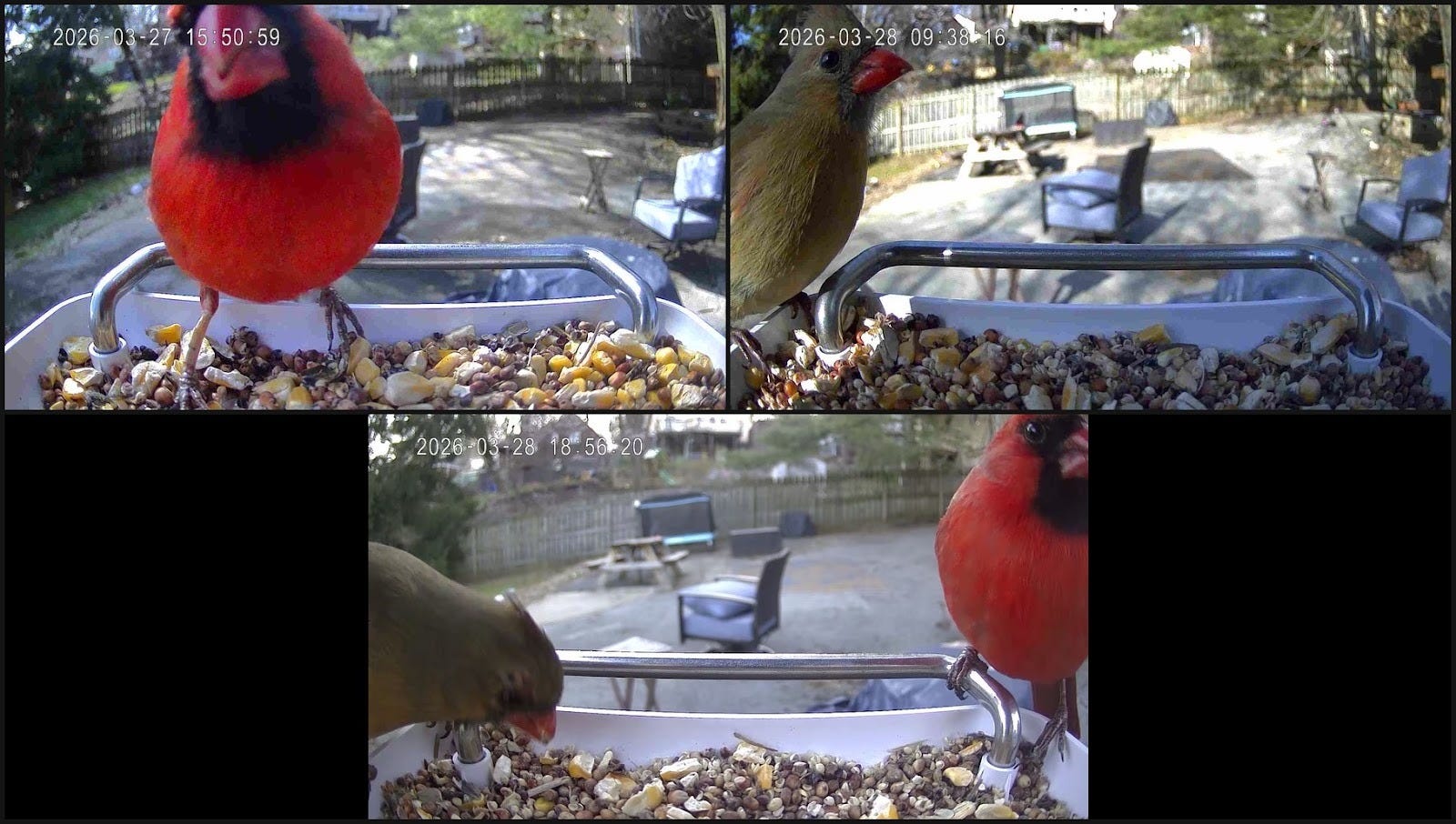
During yesterday’s review, we spotted some cardinals who looked a little strange — ratty feathers, short tails, undersized. Not as majestic as Lulu or especially Jim (as male birds are typically quite vibrant to attract mates). We'd been reading about nesting the night before, how the dad feeds the mom while she incubates, how the eggs hatch. We looked at these funny-looking birds and we feorized (my daughter's working on her th sounds) that the fake spring warmth might have actually tricked Lulu and Jim into nesting early, that these were their babies, coming to the feeder hungry and rough around the edges. Maybe that’s why Lulu and Jim are so hungry.
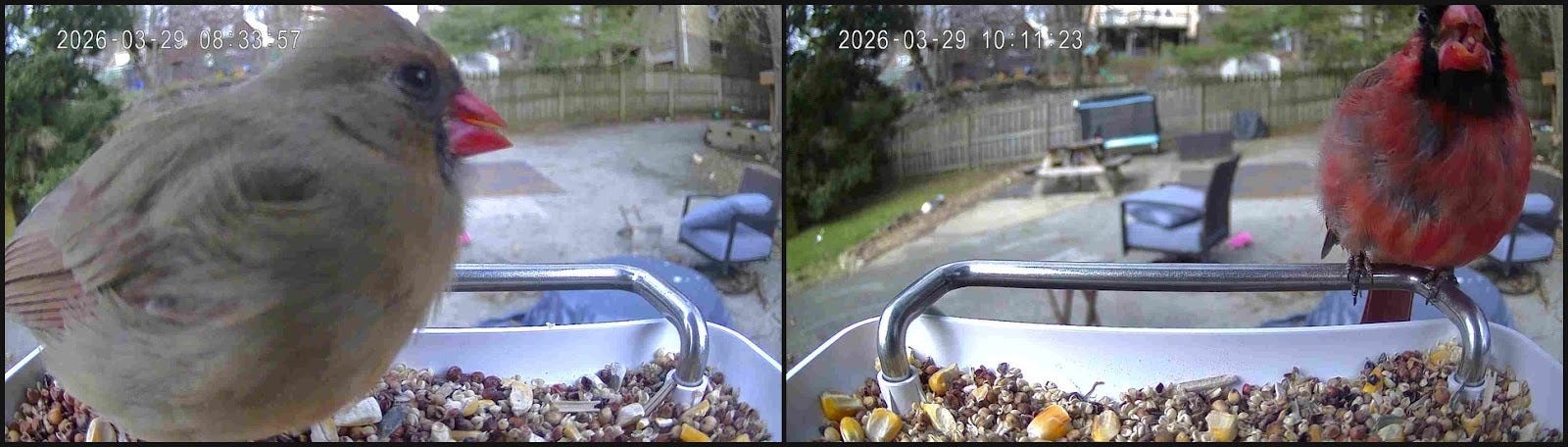
IS ANY OF THAT true? We have no idea. But we went looking for details to hold the story together. We noticed things we’d never noticed before. We followed every question.
Which is exactly what I did when I was 10 years old, sitting in the backyard in Erie with my dad and a pair of binoculars, watching something land in a tree and then flipping through a 6-inch-thick field guide. What does it eat? How do you tell if it’s a boy or a girl? What does its nest look like, when might it have babies? Research looked different then. It took longer. It required more imagination to fill the gaps.
This activity nurtured something in me that I didn’t realize — and that I kind of doubt my dad was even thinking about it in these exact terms. It wasn’t isolated to birds, and the practice spread to other parts of my storytelling life. Around the same time, I had what I found to be a stroke of brilliance — derivative, sure, of “Honey I Shrunk the Kids,” which was very much in the cultural water when I was growing up — but I was going to write a story about getting shrunk down and trapped inside my dad’s computer tower.
And before I wrote a single word of fiction, I interviewed him. I coaxed him to pull apart the tower so I could see the motherboard, the metal parts, whatever light source I decided existed in there that I’d have to navigate. I gathered the details first. Then I let myself imagine.
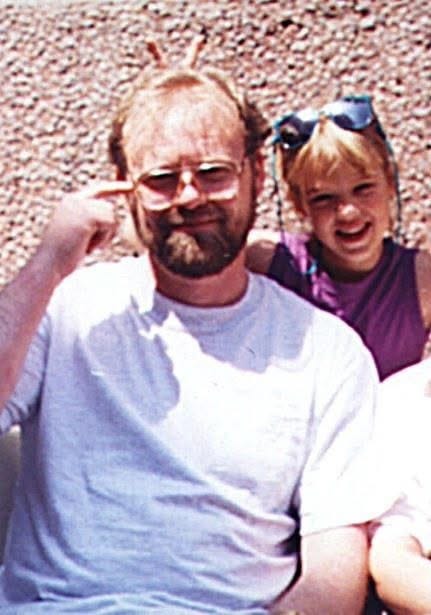
I hadn’t thought about any of those times with my dad in a long time. He passed nearly 14 years ago. I called my mom to tell her about the bird feeder, about my daughter and the cardinals. I have texted more pictures of birds than granddaughters the last couple days, too. She said she thinks she still has some old field guides in her basement. She’ll bring them down next time she visits.
I didn’t consider that a video bird feeder installed two days ago would take me here. But here’s what it reminded me as someone who has spent a career seeking stories:
Observe closely. Notice the ratty feathers, the hesitation before flight, which bird always arrives first.
Research to fuel your imagination, not replace it. The field guide doesn’t close the story. It opens it.
Suspend certainty while you hold your theory. We don’t know those are Lulu and Jim’s babies. We’re watching to find out or just to believe. That not knowing is the story.
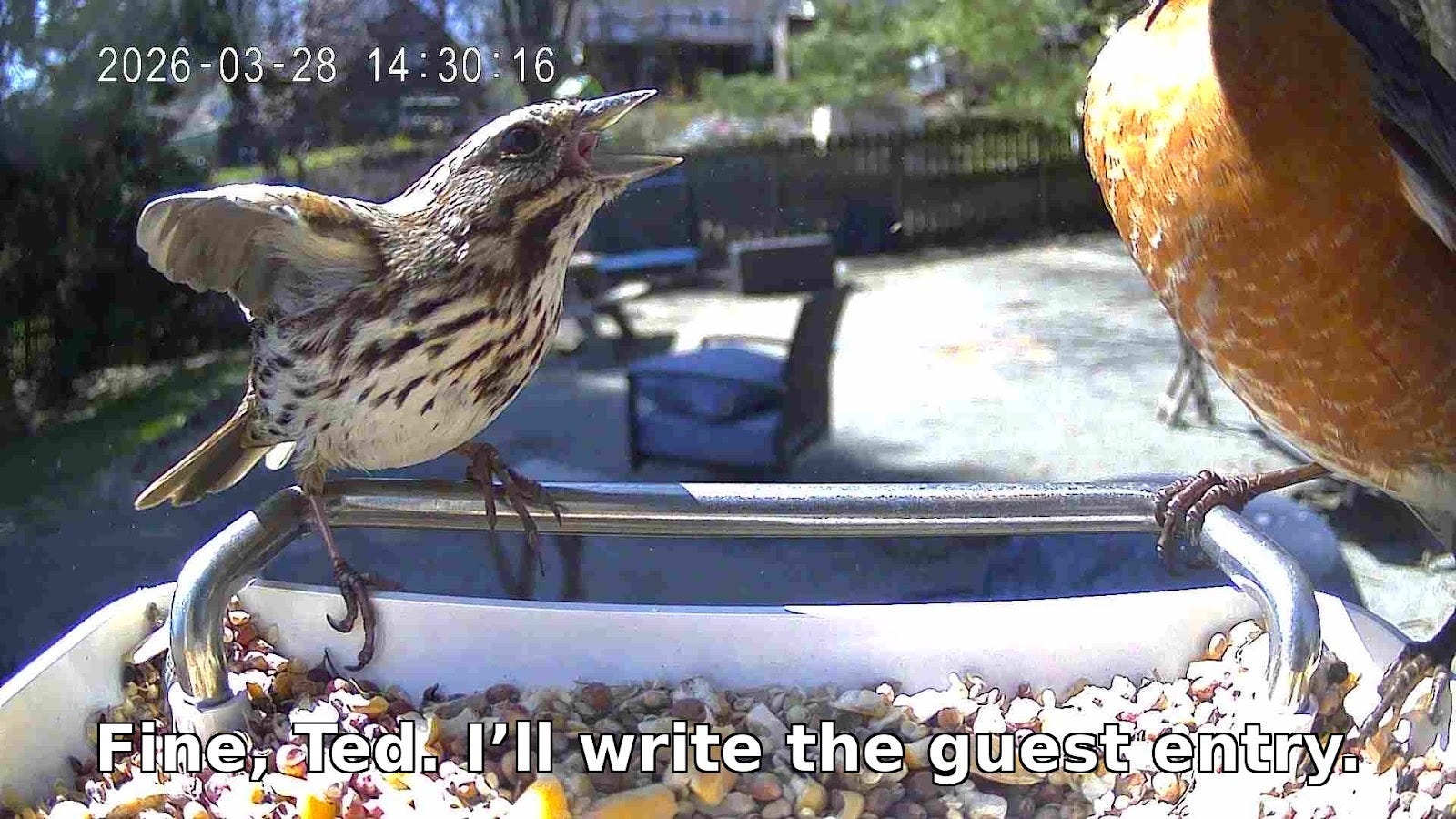
Follow every question. My daughter asked why one sparrow is called a chipping sparrow, and that question led to a 30-minute YouTube deep-dive on nesting and incubation, which led to the feorizing about the weather’s impact on mating season instincts, which led to this. You don’t always know where a question goes until you follow it.
And now, Tom Petty with “Learning to Fly.”
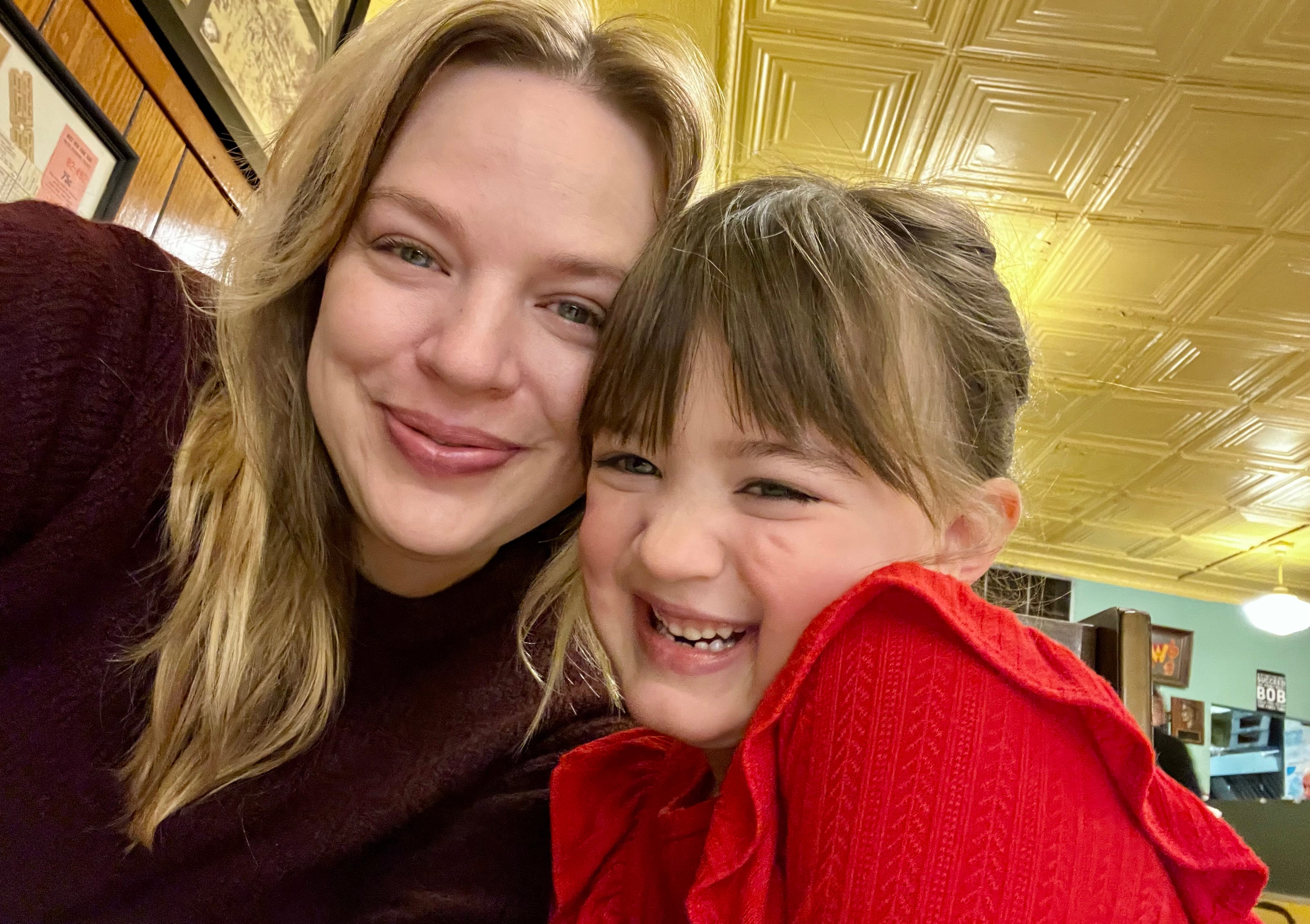
Halle Stockton is editor-in-chief and co-executive director of Pittsburgh’s Public Source. She is a graduate of Penn State University and lives with her husband and children north of Pittsburgh.
If you’re interested in reading about how everyday life and unusual things shape us, check out my other Substack, Unsorted but Significant:

 | A guest post by
|