Containing Multitudes
The same raw materials can be built out in entirely different ways.

One brief musing about storytelling per day (or, more likely, as frequently as I can muster).
Feb. 20, 2026
MY LATE AND LAMENTED friend Joan Long, the wonderful woman who was the cook at our Penn State fraternity house in the late 1980s, taught me something about cooking that I’ve always taken to heart. When she hadn’t been shopping, she said, she’d lay out all her ingredients on the counter and envision the different things they could become. In that way, she was able to be creative over and over with the same items.
This anecdote occurs to me often in the kitchen, but not so much at the keyboard. So I was thrilled when it came to mind as I sat down to write about how raw materials can be used in starkly different ways to service your storytelling.
Let’s start with the most dramatic example of all: “The Shining,” one of the late 20th century’s most enduring horror movies, remixed as a trailer for a romantic comedy. Have quick a look before we continue.
By editing, choosing certain scenes, leaving out others and laying down a jaunty soundtrack, the trailer redirects familiar imagery into a totally different outcome.
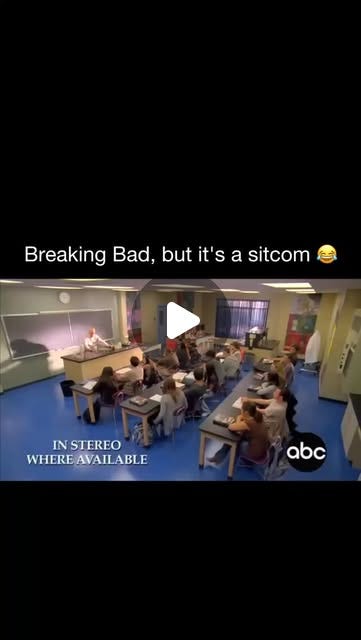
And “Titanic”? That film about love and disaster and opulence and class struggle? Those same ingredients can be brought to bear very differently, as this meme shows:

These are both entertaining, but they speak to a point. When we tell stories, particularly nonfiction ones, we have ingredients. How we choose to use them, frame them, interpret them, arrange them — all those things can shift, either subtly or completely, what the story is. Another example I love is from the pianist Loren DiGiorgi, who offers unexpected reinterpretations of well-known songs — like this can’t-look-away reinterpretation of “Mary Had a Little Lamb” into a terrifying dirge simply by rearranging some things. Kind of the opposite effect of “The Shining” above.
In the wrong hands, this ability can be dangerous — as we see daily with the misinformation and disinformation that floods our feeds. But in the hands of honest, thorough and well-intentioned storytellers, it’s a great power that we often don’t realize we have.
Consider this shoe-leather journalism example: A police reporter is sent out to cover a shooting. At the scene, she sees what happened — albeit from a distance. She interviews a police investigator. She talks to two witnesses who saw the shooting from different vantage points across the street. She goes back to the newsroom and speaks to the victim’s brother on the phone. She finds out that the victim was a high-school basketball player and interviews his coach.
What then? All these ingredients, but what recipe? Each interview has something valuable and interesting. But by choosing how to assemble the recipe — from something as large as how to frame the story to something as simple as who is used for the lead quote or what details from the scene are included — she shapes the story differently.
That can determine whether it becomes, as it were, a horror movie or a rom-com.
So choose your ingredients wisely. But arrange them wisely, too. And understand the power and flexibility you have in how the recipe turns out.
And now, Walt Whitman (as read by David Fuller).
To Ponder
If you’re in the process of putting together a story, arrange your ingredients in front of you (metaphorically or physically). How could they come together in two starkly different ways that tell two different stories?
Think of a movie whose ending frustrated you. How might that have worked if it turned out the way you wanted? What — characters, plot, action — might have been different to lead to a different conclusion?
Pick a story you read or watched recently. How might you remix the same elements to say something very different?
Bonus
One more, for your viewing pleasure.