
All You Zombies
Storytelling Snapshot: Shifting vantage point and telling an entirely different story.

One brief musing about storytelling per day (or, more likely, as frequently as I can muster).
April 10, 2026
POV: YOU WAKE UP. There is a zombie in the room. It is you.
Sounds like the beginning of a videogame, right? It’s actually an AI-generated short film by Christophe Gouazé called “DAILY ROUTINE (but you’re dead).”
It’s 3 minutes and 18 seconds of quiet, haunting, very human genius. And it works so well because the filmmaker did something increasingly common in storytelling these days: shift the lens to an unexpected place and an unexpected protagonist.
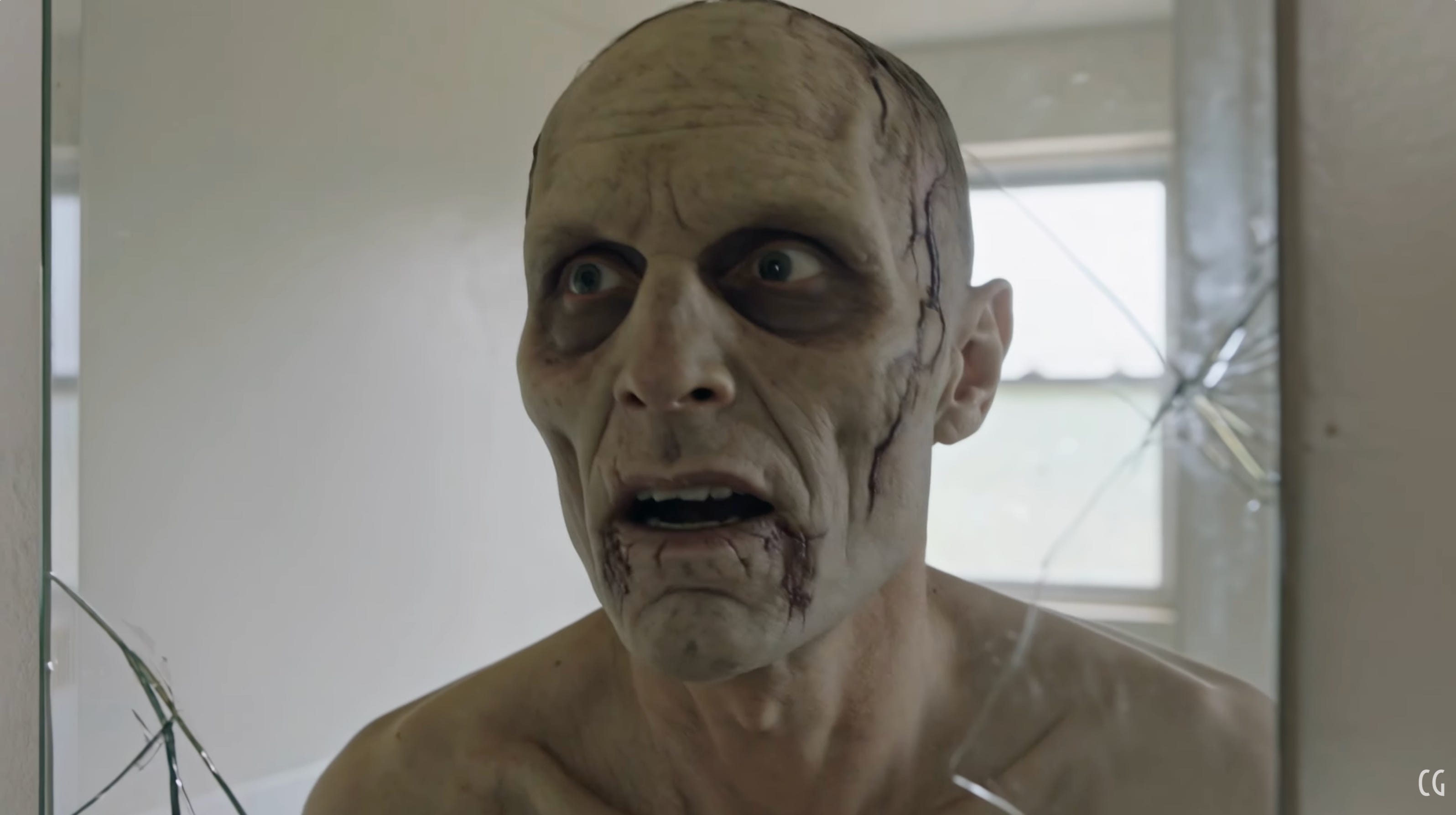
So many things come down to vantage point and/or point of view (I see the two as very different, but more on that another day) that we sometimes don’t realize it. Check out the short zombie film I’m talking about and rejoin me afterward.
When I watched this film, even though it reminded me of a video game, it felt quite different. Because nothing actually HAPPENS (i.e., major action and game play), it feels more immersive, more daily-life anodyne. You are there to contemplate your (admittedly zombified) thoughts all alone. It comes across as sort of a “Get Ready With Me” video from a member of the freshly undead.
We play around with vantage point so much these days. The most obvious example is the genre of games called “first-person shooter” — a term whose very existence still fascinates me — as opposed to “third-person shooters.” Selfies are another shift in vantage point; more than ever, we are turning the camera upon ourselves. And then there is just the “POV” shot, used everywhere from how-to videos to porn.
In the realm of film and television, too, this shift of vantage point is used often — to highlight a character or a part of the story or amplify a voice that might have been ignored or silent in the past.
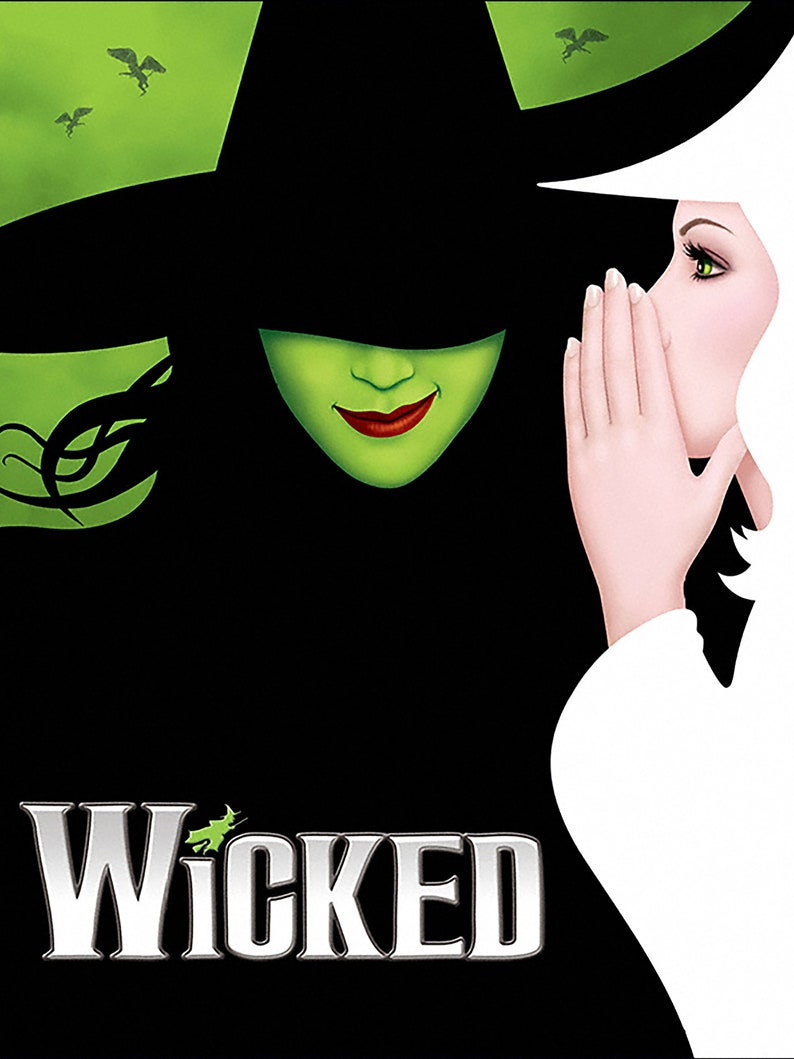
Wicked. This is the queen of all the vantage-point-shifting efforts — a book by Gregory Maguire, a musical and a film that all shift the lens of “The Wizard of Oz” to the Wicked Witch of the West, aka Elphaba Thropp, whose story turns out to be far more complex and nuanced than the character Margaret Hamilton so ably played in the classic 1939 film. Along the way, we’re asked to question how someone ends up as a witch. The shift in perspective is precisely what allows that.
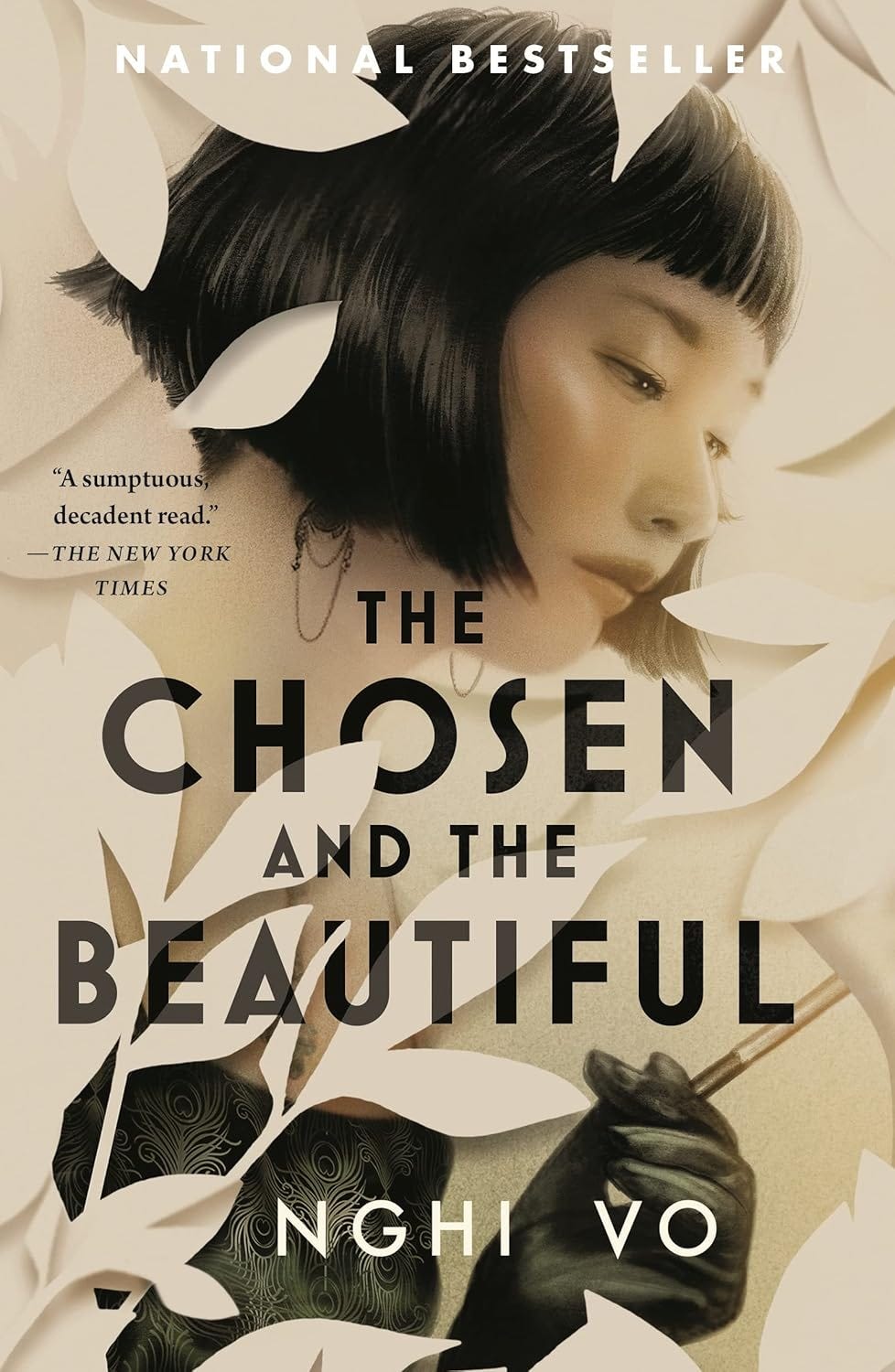
The Great Gatsby. There’s a delightful and provocative novel by Nghi Vo called “The Chosen and the Beautiful,” which looks at the story of Gatsby through Daisy Buchanan’s best friend, the pro golfer Jordan Baker. But Baker is reinterpreted as queer and Vietnamese, which puts an intriguing spin on how the novel plays out from her point of view — and makes it even more appealing to modern audiences.
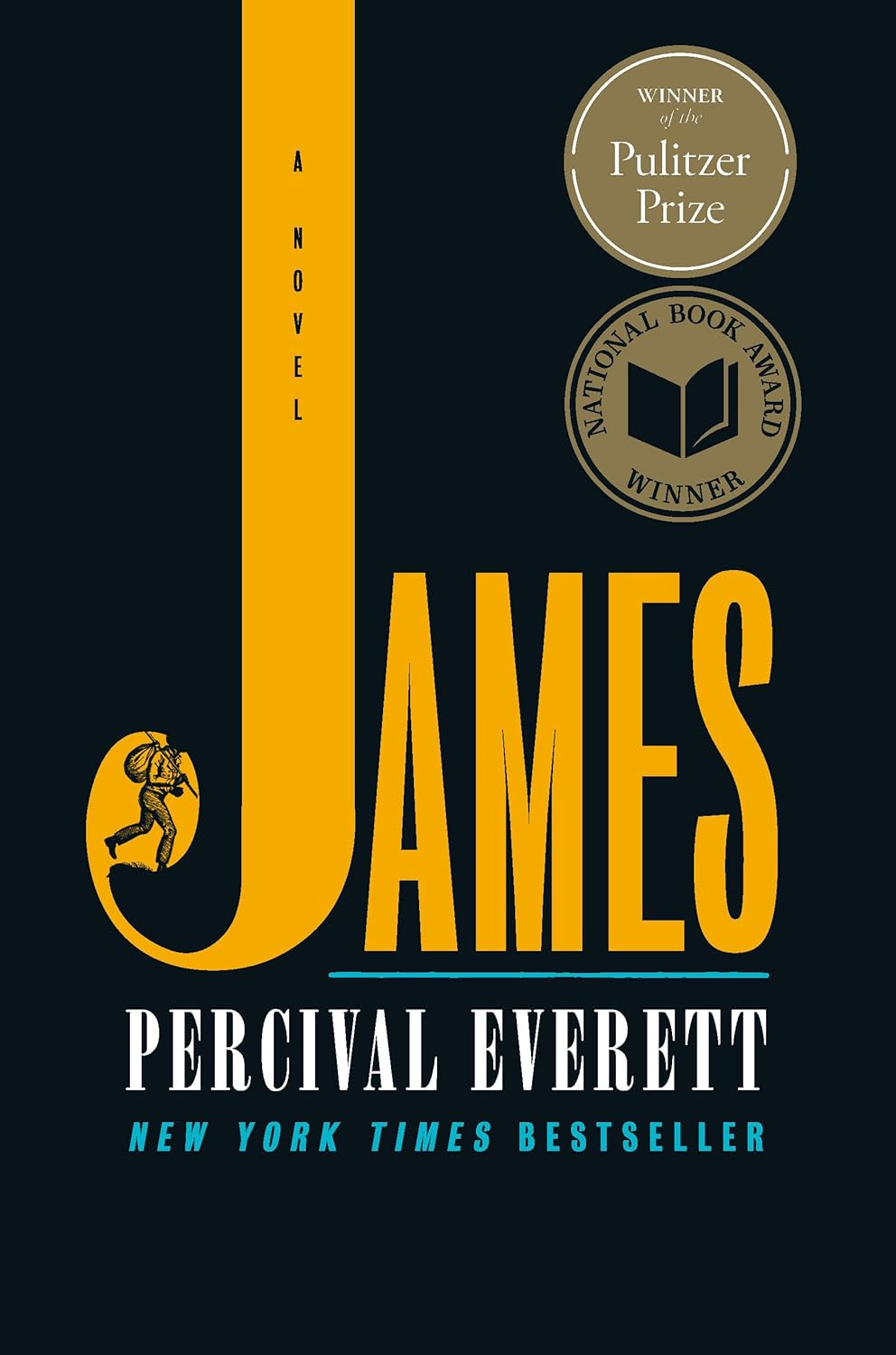
Huckleberry Finn. Another case of shifting the lens to show and tell of societal change. Percival Everett’s “James” follows Jim, the enslaved man who winds up with the main character rafting down the Mississippi. But in “James,” the “camera” moves with Jim, and it is an entirely different world that he moves through because he is the one moving through it. Perhaps most important, the reader hears Jim’s story as Jim lived it, not filtered through Huck Finn.
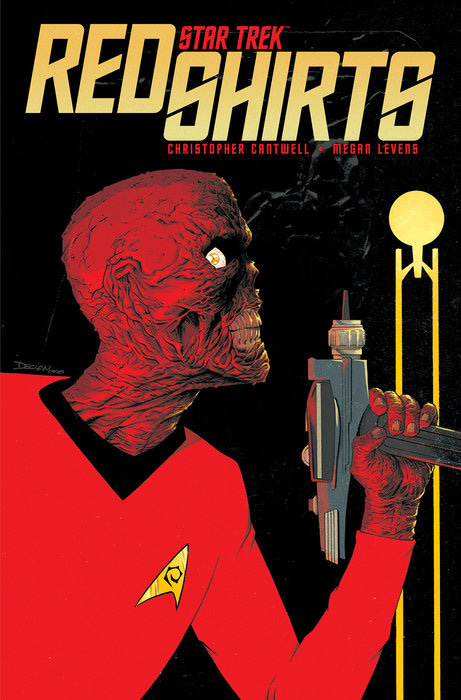
Star Trek. It has been years since the lens shifted to the grunts with the animated “Star Trek: Lower Decks” (itself inspired by a perspective-shifting episode of the same name on “Star Trek: The Next Generation”). There are myriad other examples, both by the makers and by fans. Of particular note is a new comic-book series called “Red Shirts,” after the security-officer bit players aboard the enterprise who always beamed down and were killed to illustrate the perils of space exploration. Now we see the vaunted USS Enterprise through their eyes. “Now, finally,” says one ad for the series, “they get their own story.”
For me, that’s it. So many stories to tell and show, and consciously shifting the lens helps tell them in different ways — and often more equitably. “They get their own story” is a great thing to keep in mind.
There are other works in many forms, of course, that shift the lens. One of my favorites is Thomas Mallon’s historical novel “Henry and Clara,” which tells the story of the Lincoln assassination and aftermath through the couple who attended the theater with the president and the first lady on that fateful night.
How might you use the “shift the lens” mentality to tell a story in a different, perhaps more compelling way?
And now, the Hooters.
To Ponder
How might shifting perspective to another character open new paths to tell a story?
Do you have a favorite story with a supporting character whose POV might completely remix the narrative? Post your thoughts below.
Can shifting perspective encourage empathy? If so, how?
NOTE: After sending yesterday’s newsletter, I deleted the extra Michael Keaton item at the end after being alerted that I was likely remembering it wrong.
If you’re interested in reading about how everyday life and unusual things shape us, check out my other Substack, Unsorted but Significant:

I found your point really intriguing. It brought to mind another experience of “shifting the lens” from my own past. When I was much younger, I was a girl writing music reviews and taking part in a few pirate-radio-style podcast projects. At some point during that time, my collaborators and I ran an interview project at music festivals—speaking not with the performers, but with the front-of-stage security staffs, asking them about their musical experiences. The results were genuinely surprising.